

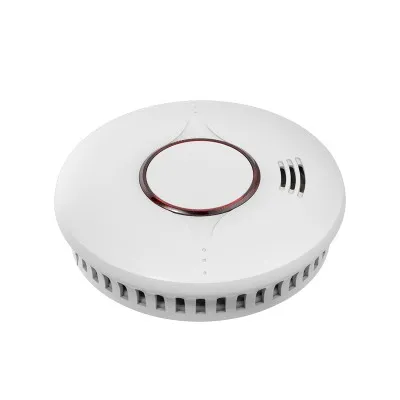


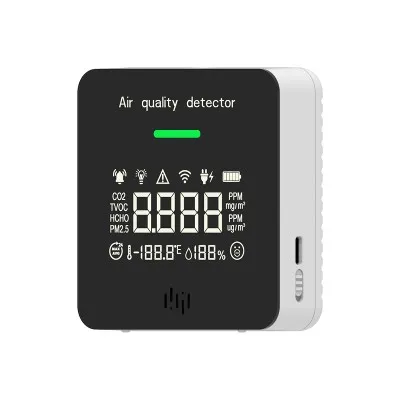


Hey there! As a supplier of heat detector fire proof products, I've seen firsthand the unique challenges that come with using heat detectors on ships for fire proofing. It's not as straightforward as you might think, and in this blog, I'm gonna break down some of the major hurdles we face.
1. Harsh Marine Environment
One of the biggest challenges is the harsh marine environment. Ships are constantly exposed to saltwater, high humidity, and extreme temperature variations. Saltwater is extremely corrosive, and it can quickly eat away at the components of a heat detector. The metal parts can rust, and the electrical connections can corrode, leading to false alarms or, even worse, the complete failure of the detector.
High humidity is another problem. Moisture can seep into the detector, causing short - circuits or damaging the sensitive sensors. And the temperature variations on a ship can be quite extreme. During the day, the sun can heat up the interior of the ship, while at night, it can get quite cold. These rapid temperature changes can put stress on the heat detector's components, affecting its accuracy and reliability.
For example, our Mains Power Heat Detector With Battery is designed to withstand a certain range of environmental conditions, but the marine environment can push it to its limits. The battery life can be affected by the high humidity and temperature changes, and the detector may need more frequent maintenance to ensure it's working properly.
2. Vibration and Movement
Ships are in constant motion, and they experience a lot of vibration. The engines, the waves, and the movement of the ship itself can all cause vibrations. These vibrations can be a real challenge for heat detectors.
Vibrations can loosen the internal components of the detector. The sensors might get misaligned, which can lead to inaccurate readings. And if the electrical connections are shaken loose, it can cause intermittent operation or complete failure.
Take our Wireless Heat Detector for instance. The wireless connection can be disrupted by the vibrations. The signal might get weak or lost, making it difficult for the detector to communicate with the central monitoring system. This means that in the event of a fire, the alarm might not be sent in a timely manner.
3. Limited Space and Installation Constraints
On a ship, space is at a premium. There are a lot of different systems and equipment on board, and finding the right place to install a heat detector can be a real challenge.
The heat detector needs to be installed in a location where it can effectively detect a fire. It should be placed in areas where there is a high risk of fire, such as engine rooms, cargo holds, and galley areas. But these areas are often crowded with other equipment, and there might not be enough space for a proper installation.
In addition, the installation process on a ship can be more complicated than on land. There are strict safety regulations and procedures that need to be followed. The wiring for Hard Wired Heat Alarms needs to be carefully routed to avoid interference with other systems, and it needs to be properly secured to withstand the vibration and movement of the ship.
4. False Alarms
False alarms are a major headache when it comes to using heat detectors on ships. There are many factors on a ship that can cause false alarms.
For example, the normal operation of the ship's equipment can generate heat. The engines, the boilers, and the electrical systems can all produce heat that might trigger a heat detector. Also, the cooking activities in the galley can cause a sudden increase in temperature, leading to a false alarm.
False alarms can be a real problem because they can cause unnecessary panic and disrupt the normal operation of the ship. Crew members might start to ignore the alarms if they are too frequent, which can be dangerous in the event of a real fire.
5. Maintenance and Testing
Proper maintenance and testing are crucial for the effective operation of heat detectors on ships. But it can be quite challenging to carry out these tasks on a ship.


The harsh marine environment means that the detectors need to be inspected and maintained more frequently. The corrosion, the moisture, and the vibration can all take a toll on the detectors, and regular checks are needed to ensure they are in good working condition.
Testing the heat detectors on a ship can also be difficult. There are strict safety regulations that need to be followed, and it might not be possible to simulate a real - fire situation for testing purposes. And since the ship is constantly on the move, it can be hard to find a convenient time to carry out the maintenance and testing.
6. Compatibility with Ship Systems
Heat detectors need to be compatible with the ship's existing fire - safety systems. They need to be able to communicate with the central monitoring system and other fire - detection devices on board.
However, different ships may have different fire - safety systems, and ensuring compatibility can be a challenge. Our heat detectors are designed to be as flexible as possible, but there can still be issues when integrating them with certain ship systems.
For example, the communication protocols used by the ship's monitoring system might not be fully compatible with our detectors. This can lead to problems with data transfer and alarm notification.
Solutions and the Way Forward
Despite these challenges, there are solutions. We are constantly working on improving our heat detectors to make them more resistant to the harsh marine environment. We are using more corrosion - resistant materials and better sealing techniques to protect the detectors from moisture.
For the vibration issue, we are designing our detectors with better shock - absorbing features. And to reduce false alarms, we are implementing more advanced algorithms that can distinguish between normal heat sources and actual fires.
We also offer comprehensive training and support to ship owners and crew members on how to properly maintain and test our heat detectors. This helps to ensure that the detectors are working effectively and that any issues are addressed in a timely manner.
If you're a ship owner or a manager responsible for fire safety on a ship, I encourage you to reach out to us. We have a wide range of heat detectors that are specifically designed for the marine environment, and we can work with you to find the best solution for your needs. Whether it's the Mains Power Heat Detector With Battery, the Wireless Heat Detector, or the Hard Wired Heat Alarms, we can provide you with the right product and the support you need to keep your ship safe from fires.
References
- "Fire Safety in the Marine Environment", International Maritime Organization
- "Marine Equipment Design and Maintenance", Shipbuilders' Association of America


