

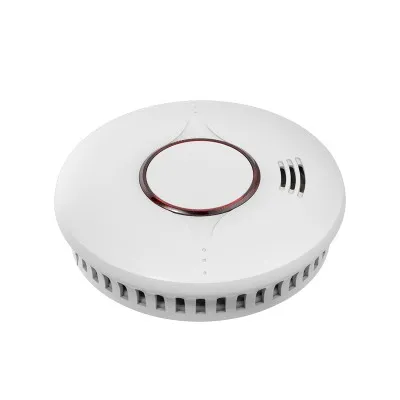


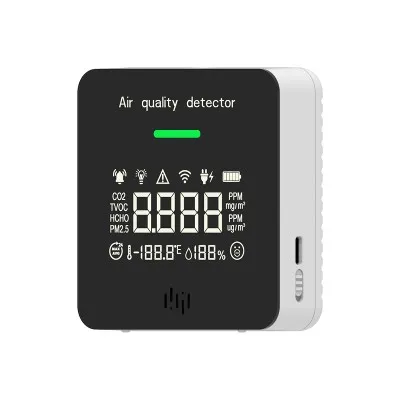


Hey there! If you're in the market for an intelligent heat detector, you're in the right place. As a supplier of these nifty gadgets, I'm here to break down the technical specifications for you. Let's dive right in!
Detection Technology
First off, let's talk about how these intelligent heat detectors actually work. There are a few different types of detection technologies out there, but the most common ones for heat detectors are fixed temperature and rate - of - rise.

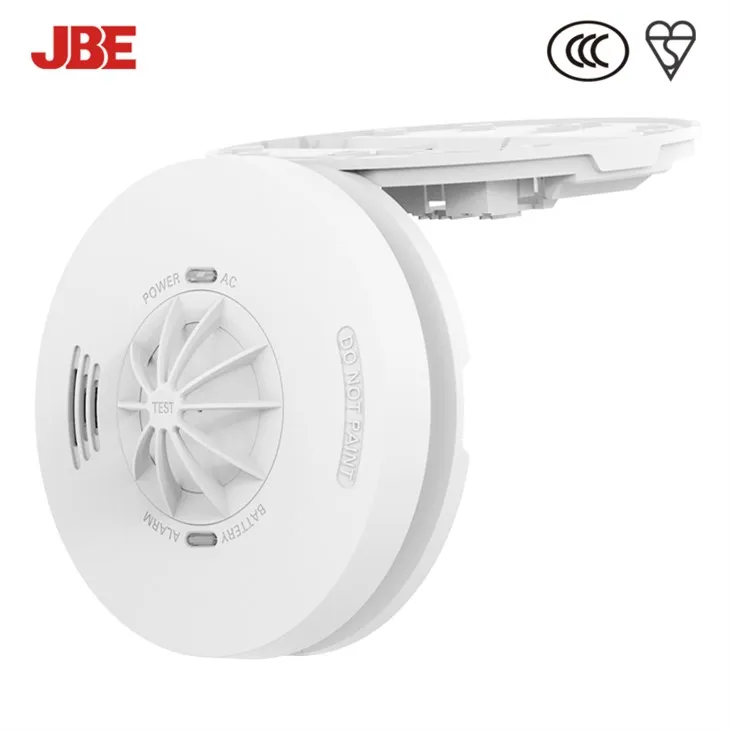
Fixed Temperature Sensors
These sensors are designed to trigger an alarm when the ambient temperature reaches a pre - set level. For example, a fixed temperature heat detector might be set to go off at 57°C or 70°C. When the air around the detector hits that temperature, it immediately signals an alarm. The simplicity of this technology makes it reliable, and it's great for environments where you expect a sudden, large increase in temperature, like in a kitchen or near industrial ovens.
Rate - of - Rise Sensors
Rate - of - rise sensors, on the other hand, monitor the speed at which the temperature is increasing. An alarm is triggered when the temperature rises by a certain amount (usually around 6°C per minute) within a specified time frame. This is useful for detecting fast - developing fires that might not reach a high enough fixed temperature quickly, but are rising rapidly.
Sensitivity
The sensitivity of an intelligent heat detector is crucial. You want it to be able to detect a fire as early as possible, but you also don't want false alarms. Manufacturers usually offer different sensitivity settings for their detectors.
For instance, in a warehouse where there might be some normal temperature fluctuations due to machinery, you might want to set the detector to a slightly less sensitive level. But in a server room, where even a small fire can cause a huge amount of damage, you'd want a highly sensitive detector. Our detectors are adjustable, so you can fine - tune the sensitivity according to your specific environment.
Power Source
There are several options when it comes to powering an intelligent heat detector.
Hard Wired Heat Alarms
Hard Wired Heat Alarms are directly connected to the building's electrical system. This is a great option for permanent installations, as you don't have to worry about changing batteries. They're also more reliable in terms of continuous power supply. However, installation can be a bit more complex and might require a professional electrician.
Mains Power Heat Detector With Battery
Mains Power Heat Detector With Battery combines the best of both worlds. It's connected to the mains power, but also has a backup battery. This means that even if there's a power outage, the detector will still work. It's a popular choice for residential and commercial buildings alike.
Wireless Heat Detector
Wireless Heat Detector runs on batteries, which makes them very easy to install. You can place them anywhere in a building without having to worry about wiring. They're also a great option for temporary installations or in older buildings where running wires might be difficult. However, you do need to remember to replace the batteries regularly.
Communication and Connectivity
In today's smart world, intelligent heat detectors often come with communication and connectivity features.
Wi - Fi and Bluetooth
Many of our detectors support Wi - Fi and Bluetooth connectivity. This allows you to connect the detector to your smartphone or other smart devices. You can receive real - time alerts on your phone if there's a fire detected, even if you're not at the location. You can also use an app to monitor the status of the detector, check its battery level, and adjust settings.
Alarm Relay Output
Some detectors have an alarm relay output. This means that when the detector goes off, it can trigger other devices, like sprinkler systems or ventilation fans. This is a great way to integrate the heat detector into a larger fire safety system.
Environmental Resistance
An intelligent heat detector needs to be able to withstand different environmental conditions.
Temperature and Humidity
Our detectors are designed to work in a wide range of temperatures and humidity levels. They can operate in temperatures from - 10°C to 55°C and humidity levels up to 95% non - condensing. This makes them suitable for use in various environments, from cold storage facilities to humid industrial areas.
Dust and Vibration
In industrial settings, there might be a lot of dust and vibration. Our detectors are built to be dust - resistant and can handle a certain amount of vibration without false alarms. They're also protected against electromagnetic interference, which ensures reliable operation even in areas with a lot of electrical equipment.
Physical Dimensions and Mounting
The physical size of the detector is important, especially if you have limited space. Our intelligent heat detectors come in different sizes, but most are designed to be compact and easy to install.
They can be mounted on the ceiling or the wall, depending on your preference and the layout of the room. The mounting process is usually straightforward, and we provide detailed instructions with each detector.
Maintenance
Maintenance of an intelligent heat detector is relatively simple.
Self - Testing
Most of our detectors have a self - testing feature. This means that the detector will regularly check its own functionality and alert you if there's a problem. This helps to ensure that the detector is always in working condition.
Cleaning
You should clean the detector regularly to remove dust and dirt. A simple can of compressed air can be used to blow out any debris from the sensor area. This will help to maintain the accuracy of the detection.
Conclusion
So, there you have it - a rundown of the technical specifications of an intelligent heat detector. Whether you're looking for a detector for your home, office, or industrial facility, there's an option out there that will suit your needs.
If you're interested in purchasing our intelligent heat detectors or have any questions about the technical details, feel free to reach out. We're always happy to help you find the best solution for your fire safety requirements.
References
- International Electrotechnical Commission (IEC). IEC 62409:2017, Fire detection and fire alarm systems - Heat detectors.
- National Fire Protection Association (NFPA). NFPA 72: National Fire Alarm and Signaling Code.


