

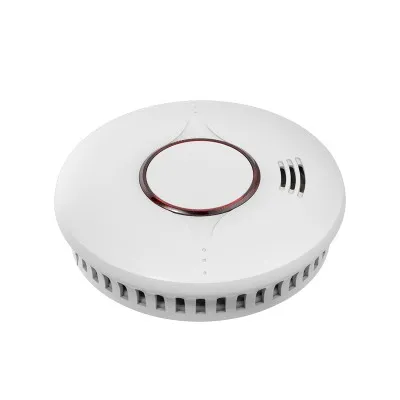


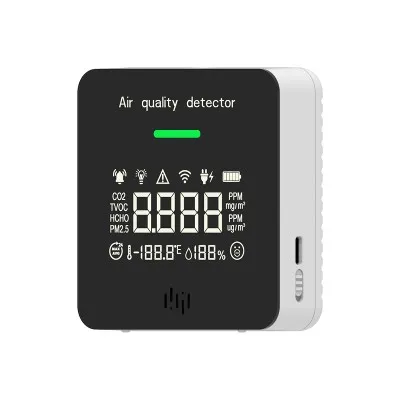


Hey there! As a supplier of carbon monoxide (CO) detectors, I've gotten tons of questions from customers about false alarms. It's super frustrating when your CO detector goes off, and there's no actual carbon monoxide around. So, let's dig into what causes these false alarms.
1. Environmental Factors
High Humidity
Humidity can be a real pain in the neck for CO detectors. When the air is super humid, moisture can get inside the detector. Most CO detectors use sensors that are sensitive to changes in the air. Excess moisture can mess with these sensors, causing them to give false readings. For example, in a bathroom after a long, hot shower, the humidity can skyrocket. If you've got a CO detector installed there, it might start beeping even though there's no CO present.
Extreme Temperatures
Both very high and very low temperatures can affect CO detectors. At high temperatures, the internal components of the detector can expand. This expansion can put stress on the sensors and other parts, leading to inaccurate readings. On the flip side, in extremely cold conditions, the chemical reactions that the sensors rely on to detect CO can slow down or act differently. This can also trigger false alarms. For instance, if you have a detector near a heating vent or in an uninsulated attic where temperatures can vary wildly, you might experience more false alarms.
Dust and Debris
Dust is everywhere, and it loves to find its way into electronic devices. When dust accumulates on the sensors of a CO detector, it can interfere with the normal operation of the detector. The sensors need to be able to “breath” and sense the air around them. A thick layer of dust can block the air flow or coat the sensors, making them unable to accurately detect CO levels. This often results in false alarms. Situations like home renovation projects or living in a dusty area can increase the likelihood of dust-related false alarms.
2. Interference from Other Gases
Volatile Organic Compounds (VOCs)
VOCs are chemicals that can easily turn into vapors at room temperature. They are found in many household products like paints, cleaning supplies, and air fresheners. Some CO detectors have sensors that can be tricked by VOCs. When these detectors “smell” the VOCs in the air, they might mistake them for carbon monoxide. For example, if you've just painted a room or used a strong-smelling cleaner, your CO detector might start going off.
Hydrogen Gas
Hydrogen gas can also cause false alarms in some CO detectors. Hydrogen is a byproduct of certain chemical reactions and can be present in small amounts in the air, especially in areas with industrial activity or near some types of appliances. The sensors in some CO detectors can't always tell the difference between hydrogen and carbon monoxide. So, when there's a small amount of hydrogen in the air, the detector might think it's detecting CO and sound the alarm.
3. Electrical and Sensor Issues
Aging Sensors
Just like everything else, the sensors in CO detectors have a lifespan. Over time, the sensors can wear out and become less accurate. As they age, they might start giving false readings more frequently. Most manufacturers recommend replacing CO detectors every 5 - 7 years to ensure they are working properly. If you've had your detector for a long time, it might be more prone to false alarms.
Electrical Interference
Electrical interference from other devices can also cause problems for CO detectors. Devices like microwaves, fluorescent lights, and some power tools can emit electromagnetic fields. These fields can interfere with the electrical signals in the CO detector, causing it to malfunction and give false alarms. If your detector is installed near these types of devices, you might want to move it to a different location.
4. Installation and Placement
Incorrect Placement
Where you install your CO detector matters a lot. If it's placed too close to a heat source, like a furnace or a water heater, it can get overheated and give false alarms. Also, placing it near a door or window where there's a lot of air movement can make it difficult for the detector to accurately sense CO levels. The air flow can carry CO away from the detector or bring in fresh air too quickly, confusing the sensor.
Improper Installation
If the detector isn't installed correctly, it can also lead to false alarms. For example, if the detector isn't properly secured to the wall or ceiling, it might vibrate. This vibration can cause the internal components to shift and affect the sensor's performance. Additionally, if the wiring is loose or damaged during installation, it can disrupt the electrical signals in the detector.
Our Products and Solutions
At our company, we offer a range of high - quality CO detectors to help you avoid these false alarm issues. Our Figaro CO Alarm is designed with advanced sensors that are more resistant to environmental factors and interference. It can accurately detect carbon monoxide even in challenging conditions.
Another great option is our EN50291 CO Alarm. This detector meets strict European standards and is built to be reliable and durable. It has features that help minimize false alarms caused by humidity, temperature changes, and other common factors.
Our Carbon Monoxide Alarm is also a popular choice. It's easy to install and use, and it provides accurate CO detection. We've engineered these alarms to reduce the chances of false alarms while ensuring that they go off when there's a real threat.


If you're tired of dealing with false alarms or are looking for a reliable CO detector for your home or business, we'd love to talk to you. Contact us to discuss your specific needs and find the right solution for you. Our team of experts is ready to answer your questions and help you make the best choice.
References
- "Carbon Monoxide Detectors: How They Work and Where to Place Them." National Fire Protection Association.
- "Understanding False Alarms in Carbon Monoxide Detectors." Consumer Reports.


