

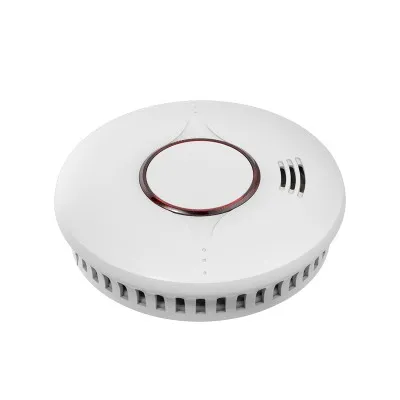




Hey there! As a supplier of heat detector fire proof systems, I get a lot of questions about heat detector maintenance. Let's talk about what kind of maintenance heat detectors in fire proof systems truly need.
First off, why is maintenance so crucial? Well, heat detectors are like the silent guardians in your fire protection setup. They're always on the lookout, ready to sound the alarm when things get too hot. If they're not properly maintained, they might not work when you need them most. And trust me, you don't want that in a fire situation.
Regular Inspections
One of the most basic yet important maintenance tasks is regular inspections. You should check your heat detectors at least once a month. It's not a big deal, just a quick visual check. Look for any obvious signs of damage like cracks, dents, or loose wires. If you spot anything like that, it's time to take action.
Also, make sure the detectors are clean. Dust and dirt can build up over time, which might affect their performance. You can use a soft, dry cloth to gently wipe them down. Don't use any harsh chemicals or abrasive materials, as these can damage the sensitive components inside.
Testing
Testing your heat detectors should be done monthly as well. Most modern heat detectors have a test button. Just press it and see if the alarm goes off. If it does, that's great! It means the detector is working fine. But if it doesn't, you've got a problem.
Sometimes, the issue could be as simple as a dead battery. If you're using battery - powered heat detectors, like our Mains Power Heat Detector With Battery, make sure to replace the batteries regularly. Usually, it's a good idea to change them once a year, even if they seem to be working.
Calibration
Now, calibration is a bit more technical. Heat detectors need to be properly calibrated to accurately detect changes in temperature. Over time, factors like environmental conditions can cause the detector to drift out of calibration.
I'd recommend getting your heat detectors calibrated at least once a year by a professional. They have the right tools and knowledge to make sure the detectors are set at the correct temperature thresholds. A properly calibrated detector can make the difference between getting an early warning and being caught off - guard in a fire.
Wiring Checks (for Wired Detectors)
If you're using wired heat detectors, like our Hard Wired Heat Alarms, the wiring needs to be checked regularly. Loose or damaged wires can prevent the detector from functioning properly.
Every few months, give the wiring a quick once - over. Look for frayed wires, loose connections, or any signs of corrosion. If you find any issues, it's best to get them fixed right away. You don't want a fire safety system that's held together by a thread, right?
Environmental Considerations
The environment where the heat detectors are installed can also impact their performance and maintenance needs. For example, if the detectors are installed in a dusty or dirty area, they'll need to be cleaned more often.
In humid environments, there's a risk of moisture buildup inside the detector. This can damage the internal components and lead to false alarms or even detector failure. In such cases, it might be necessary to install additional protective measures or choose detectors that are better suited for humid conditions, like some of the models in our Wireless Heat Detector series.
Keeping Records
It's a good idea to keep records of all your maintenance activities. Write down the date of each inspection, the results of testing, and any maintenance or repairs that were done. This not only helps you stay organized but can also be useful if there are any issues with insurance or regulatory compliance.
Training
Lastly, make sure the people who are responsible for maintaining the heat detectors are properly trained. They need to know how to do the inspections, testing, and basic maintenance tasks correctly. A little bit of training can go a long way in ensuring that your fire protection system is always in top - notch condition.


In conclusion, proper maintenance of heat detectors in fire proof systems is essential for the safety of your property and the people in it. By following these simple steps, you can make sure that your heat detectors are always ready to do their job.
If you're in the market for high - quality heat detectors or need more information about maintenance, feel free to reach out. We're here to help you make the best choices for your fire protection needs. Whether you need a single detector for a small home or a large - scale system for a commercial building, we've got you covered.
References
- NFPA 72 National Fire Alarm and Signaling Code.
- Manufacturer's manuals for heat detectors.


