

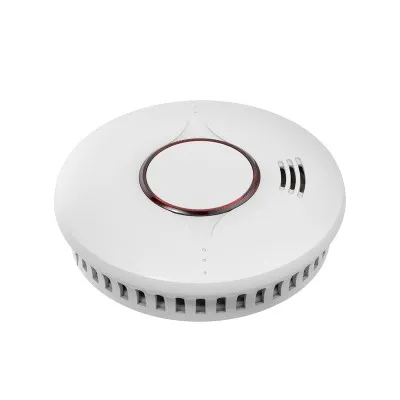


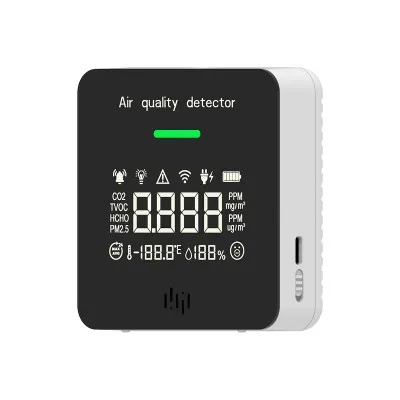


Humidity is a common environmental factor that can significantly influence the performance of various electronic devices, including hardwired smoke detectors. As a supplier of high - quality hardwired smoke detectors, I have witnessed firsthand how humidity can affect these crucial safety devices. In this blog, I will delve into the impact of humidity on hardwired smoke detectors and provide insights into how to mitigate potential issues.
How Hardwired Smoke Detectors Work
Before discussing the impact of humidity, it's essential to understand how hardwired smoke detectors operate. These detectors are typically connected to a building's electrical system, ensuring continuous power supply. There are two main types of hardwired smoke detectors: ionization and photoelectric.
Ionization smoke detectors use a small amount of radioactive material to ionize the air inside a sensing chamber. When smoke enters the chamber, it disrupts the ionization process, triggering the alarm. Photoelectric smoke detectors, on the other hand, use a light source and a photoelectric sensor. When smoke particles enter the chamber, they scatter the light, which is detected by the sensor, and the alarm is activated.
The Impact of High Humidity on Hardwired Smoke Detectors
False Alarms
One of the most common issues caused by high humidity is false alarms. When the air is saturated with moisture, water droplets can mimic the behavior of smoke particles in the detector's sensing chamber. In photoelectric smoke detectors, water droplets can scatter light in a similar way to smoke, causing the sensor to detect an apparent "smoke" condition and trigger the alarm.
For ionization smoke detectors, high humidity can also lead to false alarms. Water vapor can interfere with the ionization process, altering the electrical current in the sensing chamber. This change in current can be misinterpreted as the presence of smoke, resulting in an unnecessary alarm. Our AC And DC Photoelectric Smoke Alarm is designed to be more resistant to false alarms, but extremely high humidity can still pose a challenge.
Corrosion and Damage
High humidity can also cause corrosion and damage to the internal components of hardwired smoke detectors. Moisture in the air can condense on the detector's circuit boards, contacts, and other metal parts. Over time, this condensation can lead to rust and corrosion, which can degrade the performance of the detector and even cause it to fail.
Corrosion can affect the electrical connections within the detector, leading to intermittent or complete loss of functionality. It can also damage the sensitive sensors and other electronic components, reducing their accuracy and reliability. For example, the metal contacts in the battery compartment (if the detector has a backup battery) can corrode, preventing the battery from providing power when needed. Our Photo Electric Fire Alarm is built with high - quality materials to resist corrosion, but long - term exposure to high humidity can still have an impact.
Reduced Sensitivity
Another consequence of high humidity is reduced sensitivity. As moisture accumulates in the sensing chamber, it can coat the sensors and other components, reducing their ability to detect smoke particles. In photoelectric detectors, the water coating on the light source or the photoelectric sensor can absorb or scatter the light, making it more difficult to detect the light scattered by smoke particles.
In ionization detectors, the moisture can create a layer of insulation on the electrodes, reducing the flow of ions and making it harder to detect changes in the electrical current caused by smoke. This reduced sensitivity means that the detector may not respond as quickly to a real fire, putting lives and property at risk.
The Impact of Low Humidity on Hardwired Smoke Detectors
Static Electricity
Low humidity can also have a negative impact on hardwired smoke detectors. In dry conditions, static electricity can build up on the detector's surfaces and components. Static electricity can attract dust and other particles, which can accumulate in the sensing chamber and interfere with the detector's operation.
Dust particles can scatter light in photoelectric detectors or disrupt the ionization process in ionization detectors, leading to false alarms or reduced sensitivity. Additionally, static electricity can cause electrical interference, which can affect the performance of the detector's electronic circuits and sensors.
Brittle Components
Low humidity can cause the materials in the detector to become brittle. Plastic components, for example, can dry out and crack over time in dry environments. These cracks can allow dust, moisture, and other contaminants to enter the detector, further compromising its performance. Cracks in the housing can also expose the internal components to physical damage, increasing the risk of failure.
Mitigating the Impact of Humidity
Proper Installation
Proper installation is crucial to minimize the impact of humidity on hardwired smoke detectors. Detectors should be installed in locations where they are not exposed to direct sources of moisture, such as near bathrooms, kitchens, or laundry rooms. They should also be installed away from areas with poor ventilation, as stagnant air can trap moisture.
When installing the detector, it's important to ensure that the housing is properly sealed to prevent moisture from entering. This includes using gaskets and seals around the wiring holes and other openings in the detector.
Regular Maintenance
Regular maintenance is essential to keep hardwired smoke detectors functioning properly in all humidity conditions. This includes cleaning the detectors regularly to remove dust, dirt, and other contaminants. A soft brush or compressed air can be used to clean the sensing chamber and other parts of the detector.


It's also important to test the detectors regularly to ensure that they are working correctly. This can be done by using the test button on the detector. If the detector fails the test, it should be replaced immediately.
Humidity Control
Controlling the humidity in the environment where the detectors are installed can also help to mitigate the impact of humidity. Using a dehumidifier in areas with high humidity can reduce the moisture content in the air, reducing the risk of false alarms, corrosion, and reduced sensitivity. In dry environments, a humidifier can be used to increase the humidity and prevent static electricity and brittle components.
Conclusion
Humidity can have a significant impact on the performance of hardwired smoke detectors. High humidity can cause false alarms, corrosion, and reduced sensitivity, while low humidity can lead to static electricity and brittle components. As a supplier of Mains Interlinked Smoke Alarms and other hardwired smoke detectors, we understand the importance of ensuring that our products perform reliably in all environmental conditions.
By following proper installation and maintenance procedures and controlling the humidity in the environment, the negative effects of humidity on hardwired smoke detectors can be minimized. If you are interested in purchasing high - quality hardwired smoke detectors that are designed to withstand a wide range of humidity conditions, please feel free to contact us for a detailed discussion on your specific requirements. We are committed to providing you with the best safety solutions for your home or business.
References
- National Fire Protection Association (NFPA). "NFPA 72: National Fire Alarm and Signaling Code."
- Underwriters Laboratories (UL). "UL 217: Standard for Single - and Multiple - Station Smoke Alarms."
- International Association of Fire Chiefs (IAFC). "Fire Alarm System Design and Installation Guidelines."


