

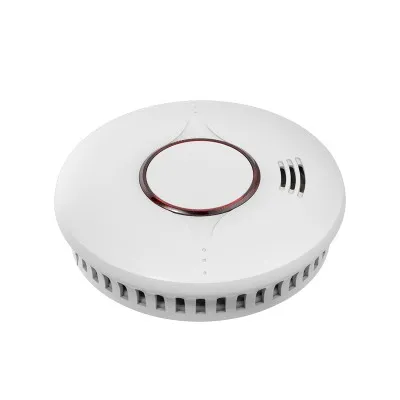




As a seasoned supplier of Smart Smoke Detectors, I've witnessed firsthand the growing demand for these essential safety devices in modern homes and commercial spaces. One of the most frequently asked questions I encounter is about the optimal installation height for a smart smoke detector. In this blog post, I'll delve into the science behind this crucial aspect of smoke detector placement, providing you with the knowledge you need to ensure maximum protection for your property and loved ones.
The Science of Smoke Behavior
To understand the ideal installation height for a smart smoke detector, it's essential to first grasp how smoke behaves in a fire situation. When a fire breaks out, hot air and smoke rise due to their lower density compared to the surrounding cooler air. As the smoke ascends, it spreads horizontally along the ceiling before gradually descending as it cools. This behavior is influenced by several factors, including the size and intensity of the fire, the ventilation in the room, and the shape and layout of the space.
Recommended Installation Heights
Based on extensive research and industry standards, the recommended installation height for a smart smoke detector varies depending on the type of detector and the location of installation. Here are the general guidelines:
Ceiling-Mounted Detectors
- Residential Applications: In most residential settings, ceiling-mounted smoke detectors should be installed on the ceiling, at least 4 inches (10 cm) away from the wall. This placement allows the detector to capture rising smoke effectively as it spreads along the ceiling. For flat ceilings, the detector should be installed in the center of the room or evenly spaced throughout the area.
- Commercial Applications: In commercial buildings, the installation height may vary depending on the specific requirements of the building code. However, as a general rule, ceiling-mounted smoke detectors should be installed within 12 inches (30 cm) of the ceiling. This ensures that the detector can detect smoke quickly and accurately, even in large or open spaces.
Wall-Mounted Detectors
- Residential Applications: Wall-mounted smoke detectors can be used in areas where ceiling installation is not feasible, such as in rooms with sloped ceilings or in mobile homes. When installing a wall-mounted detector, it should be placed at least 4 inches (10 cm) and no more than 12 inches (30 cm) from the ceiling. This placement allows the detector to detect smoke as it descends from the ceiling.
- Commercial Applications: In commercial buildings, wall-mounted smoke detectors are typically installed at a height of 4 to 12 inches (10 to 30 cm) from the ceiling. However, it's important to consult the local building code for specific requirements.
Factors to Consider
While the recommended installation heights provide a good starting point, there are several factors that may influence the optimal placement of a smart smoke detector. Here are some additional considerations:
Room Layout and Configuration
- Open Spaces: In large or open spaces, such as living rooms or hallways, multiple smoke detectors may be required to ensure comprehensive coverage. The detectors should be evenly spaced throughout the area to detect smoke from all directions.
- Bedrooms: In bedrooms, it's recommended to install a smoke detector on the ceiling near the entrance to the room. This placement allows the detector to detect smoke early and alert the occupants before it reaches the sleeping area.
- Kitchens and Bathrooms: In kitchens and bathrooms, smoke detectors should be installed at least 10 feet (3 meters) away from cooking appliances and steam sources to avoid false alarms. If necessary, a combination smoke and carbon monoxide detector can be installed to provide additional protection.
Ventilation
- Natural Ventilation: In rooms with natural ventilation, such as windows or doors, the smoke detector should be installed away from the source of ventilation to prevent smoke from being carried away before it can be detected.
- Mechanical Ventilation: In rooms with mechanical ventilation, such as HVAC systems, the smoke detector should be installed in a location where it can detect smoke without being affected by the airflow. It's important to consult the manufacturer's instructions for specific installation guidelines.
Obstructions
- Furniture and Decorations: Smoke detectors should be installed in a location where they are not obstructed by furniture, decorations, or other objects. This ensures that the detector can detect smoke freely and accurately.
- Ducts and Vents: Smoke detectors should be installed away from ducts and vents to prevent smoke from being drawn away before it can be detected. If necessary, a baffle or deflector can be installed to redirect the smoke towards the detector.
Importance of Proper Installation
Proper installation of a smart smoke detector is crucial for ensuring its effectiveness in detecting smoke and alerting occupants in the event of a fire. Incorrect installation can lead to false alarms, delayed detection, or even complete failure of the detector. Here are some reasons why proper installation is so important:
Early Detection
- Quick Response: A properly installed smoke detector can detect smoke early in the fire, giving occupants more time to evacuate safely. This can significantly reduce the risk of injury or death in a fire situation.
- Reliable Performance: A well-installed smoke detector is more likely to function correctly and provide reliable performance over time. This ensures that the detector will continue to protect your property and loved ones for years to come.
False Alarm Prevention
- Accurate Detection: Proper installation helps to minimize false alarms by ensuring that the detector is placed in a location where it can detect smoke accurately. This reduces the inconvenience and disruption caused by false alarms and increases the trust and confidence of occupants in the detector.
- Compliance with Regulations: Many local building codes and regulations require the proper installation of smoke detectors to ensure the safety of occupants. By installing your smoke detector correctly, you can ensure compliance with these regulations and avoid potential fines or penalties.
Our Smart Smoke Detectors
At our company, we offer a wide range of Smart Home Smoke Detector that are designed to provide reliable and accurate smoke detection in a variety of settings. Our detectors are equipped with advanced sensors and features that ensure early detection of smoke and rapid alerting of occupants.
One of our popular products is the Wireless Interconnected Smoke Alarms. These alarms are interconnected wirelessly, which means that when one alarm detects smoke, all the alarms in the system will sound simultaneously. This provides comprehensive protection for your entire home or building, ensuring that everyone is alerted in the event of a fire.


We also offer Wireless Interlinked Smoke Alarms that are designed to be easy to install and use. These alarms are compatible with most smart home systems, allowing you to monitor and control them remotely using your smartphone or other devices.
Contact Us for Procurement
If you're interested in purchasing our smart smoke detectors or have any questions about installation or placement, please don't hesitate to contact us. Our team of experts is available to provide you with personalized advice and guidance to ensure that you choose the right detector for your needs and install it correctly.
Investing in a high-quality smart smoke detector is one of the most important steps you can take to protect your property and loved ones from the dangers of fire. By following the recommended installation heights and guidelines, you can ensure that your smoke detector provides reliable and accurate protection for years to come.
References
- National Fire Protection Association (NFPA). (2019). NFPA 72: National Fire Alarm and Signaling Code.
- Underwriters Laboratories (UL). (2017). UL 217 Standard for Single- and Multiple- Station Smoke Alarms.
- International Code Council (ICC). (2018). International Residential Code (IRC).
- International Code Council (ICC). (2018). International Building Code (IBC).


