





Hey there! As a supplier of Carbon Monoxide Detectors, I often get asked about the lifespan of a carbon monoxide detector's sensor. It's a super important question because carbon monoxide (CO) is a silent killer. It's an odorless, colorless gas that can cause serious health problems or even death if you're exposed to it. So, having a working CO detector with a good - functioning sensor is crucial for your safety.
Let's start by understanding what a carbon monoxide detector sensor does. In simple terms, the sensor is the heart of the detector. It's the part that can “smell” the carbon monoxide in the air. When it detects a certain level of CO, it triggers an alarm to alert you.
Now, the lifespan of these sensors can vary quite a bit. There are different types of sensors used in carbon monoxide detectors, and each has its own typical lifespan.
Electrochemical Sensors
The most common type of sensor used in CO detectors is the electrochemical sensor. These sensors work by creating an electrical current when carbon monoxide comes into contact with a special chemical inside the sensor.
On average, an electrochemical sensor in a carbon monoxide detector has a lifespan of about 5 - 7 years. This is because over time, the chemicals inside the sensor break down. As they break down, the sensor becomes less sensitive to carbon monoxide. You might think of it like a battery losing its charge. The sensor starts to wear out, and its ability to accurately detect CO diminishes.
If you've had your CO detector for a few years and it's using an electrochemical sensor, it's a good idea to keep an eye on it. Some detectors will have a built - in indicator that tells you when the sensor is nearing the end of its life. But even if it doesn't, it's better to be safe than sorry. You don't want to be relying on a detector with a worn - out sensor when there's a real CO threat.
Metal Oxide Semiconductor (MOS) Sensors
Another type of sensor you might find in a carbon monoxide detector is the Metal Oxide Semiconductor (MOS) sensor. These sensors work by changing their electrical resistance when they come into contact with carbon monoxide.
MOS sensors generally have a longer lifespan compared to electrochemical sensors. They can last anywhere from 7 - 10 years. The reason they last longer is that the materials they're made of are more stable over time. However, they do have a bit of a drawback. They can be more sensitive to changes in temperature and humidity. So, if you live in an area with extreme weather conditions, it might affect the performance of a MOS - based CO detector.
Factors Affecting Sensor Lifespan
There are several factors that can affect how long a carbon monoxide detector's sensor lasts.


Environment: If your detector is placed in a harsh environment, it can shorten the sensor's lifespan. For example, if it's in a place with a lot of dust, dirt, or chemicals, these can get into the sensor and damage it. A detector in a factory or a garage might not last as long as one in a clean, residential living room.
Usage: How often the detector is exposed to carbon monoxide can also make a difference. If it's in an area where there are small, regular leaks of CO, the sensor will be working harder and might wear out faster.
Quality of the Detector: Not all carbon monoxide detectors are created equal. Higher - quality detectors usually have better - made sensors. They might use better materials and have better manufacturing processes, which can result in a longer - lasting sensor.
Why Replacing the Sensor (or Detector) is Important
You might be thinking, “Why can't I just keep using my detector until it stops working completely?” Well, the problem is that carbon monoxide is so dangerous. A worn - out sensor might not detect low levels of CO, which can still be harmful over time.
Exposure to low levels of carbon monoxide can cause symptoms like headaches, dizziness, nausea, and fatigue. These symptoms can be easily mistaken for other things, like the flu. But if you're being exposed to CO over a long period, it can lead to more serious health problems, including brain damage and even death.
That's why it's so important to replace your carbon monoxide detector's sensor or the entire detector when it reaches the end of its lifespan. Don't take chances with your safety.
Our Products and Their Sensor Lifespans
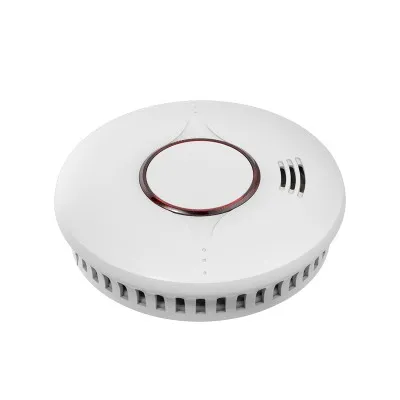
As a supplier, we offer a range of carbon monoxide detectors. We have the New Version CO Alarm, which uses a high - quality electrochemical sensor. This detector is designed to give you reliable protection for about 5 - 7 years. It has a sleek design and is easy to install in your home.
We also have the 10 Years Carbon Monoxide Detector. As the name suggests, this detector is built to last for 10 years. It uses a Metal Oxide Semiconductor (MOS) sensor, which means you can have peace of mind knowing that it will be able to detect carbon monoxide for a long time.
How to Know When to Replace Your Detector
If your detector has a built - in sensor life indicator, that's the easiest way to know when it's time to replace it. Some detectors will start beeping or flashing a light to let you know the sensor is nearing the end of its life.
If your detector doesn't have an indicator, you can keep track of how long you've had it. If it's been 5 - 7 years for an electrochemical - sensor detector or 7 - 10 years for a MOS - sensor detector, it's probably time to get a new one.
Conclusion
The lifespan of a carbon monoxide detector's sensor is an important thing to consider. Whether it's an electrochemical sensor that lasts about 5 - 7 years or a MOS sensor that can go for 7 - 10 years, you need to make sure you're replacing your detector when the time is right.
We're here as your trusted Carbon Monoxide Detector supplier. If you're in the market for a new detector or have any questions about the lifespan of our products' sensors, feel free to reach out to us. We're always happy to help you make the right choice for your safety. Don't hesitate to contact us for more information and to start a procurement discussion.
References
- “Carbon Monoxide Detectors: How They Work and When to Replace Them.” Consumer Reports.
- “Understanding Carbon Monoxide Detector Sensors.” National Fire Protection Association.


