

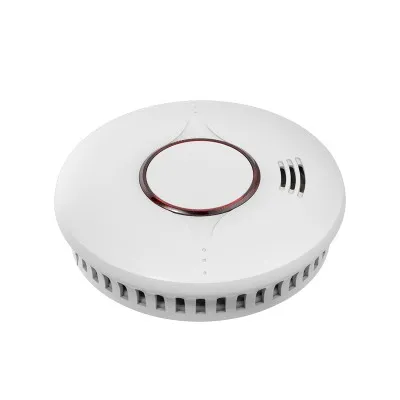


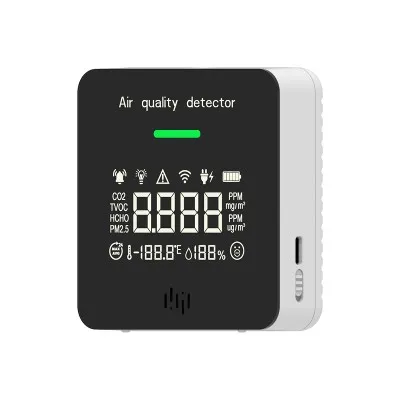


Wireless smoke detectors have become an essential safety device in many homes and commercial buildings, offering convenience and peace of mind through their easy installation and seamless connectivity. As a leading supplier of high-quality wireless smoke detectors, we're often asked about the types of batteries these devices use. In this blog, we'll explore the common battery types found in wireless smoke detectors, their advantages and disadvantages, and considerations for choosing the right option.

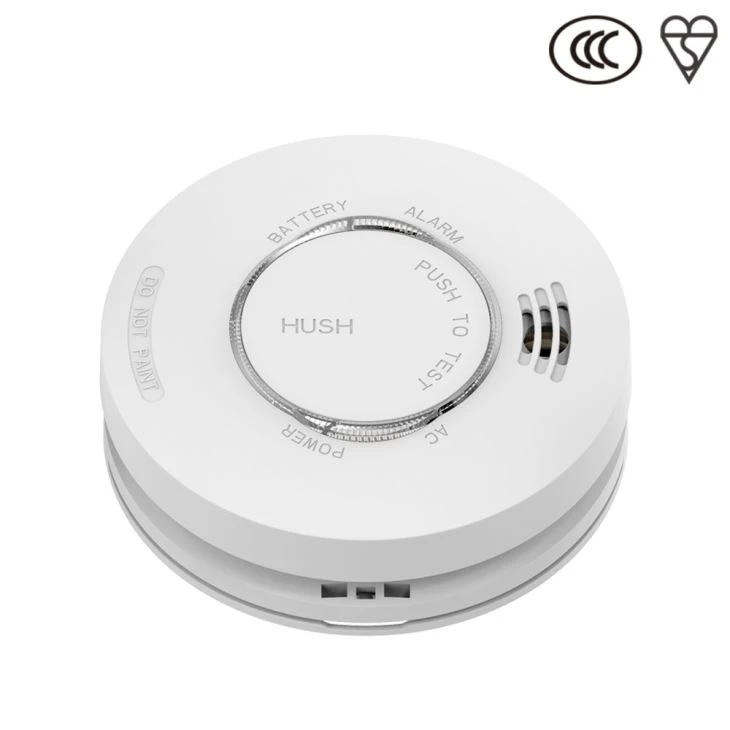
Types of Batteries Used in Wireless Smoke Detectors
Alkaline Batteries
Alkaline batteries are one of the most popular choices for wireless smoke detectors due to their widespread availability, relatively low cost, and long shelf life. They are typically made of zinc and manganese dioxide, and they produce electricity through a chemical reaction between these two materials. Alkaline batteries are known for their high energy density, which means they can store a significant amount of energy in a small package. This makes them ideal for powering wireless smoke detectors, which need to operate continuously for long periods without frequent battery changes.
One of the main advantages of alkaline batteries is their reliability. They are designed to provide a stable voltage output over their entire lifespan, ensuring that the smoke detector functions properly at all times. Additionally, alkaline batteries are less prone to leakage compared to other battery types, which can damage the smoke detector and cause it to malfunction. However, alkaline batteries do have some drawbacks. They have a limited lifespan and will need to be replaced periodically, typically every 1-2 years, depending on the usage and the brand of the battery.
Lithium Batteries
Lithium batteries are another common choice for wireless smoke detectors, especially those that require a long-lasting power source. Lithium batteries offer several advantages over alkaline batteries, including a longer lifespan, higher energy density, and better performance in extreme temperatures. They are typically made of lithium metal or lithium compounds, and they produce electricity through a chemical reaction between the lithium and another material.
One of the main benefits of lithium batteries is their long lifespan. Some lithium batteries can last up to 10 years or more, which means they can provide continuous power to the smoke detector without the need for frequent battery changes. This is particularly convenient for hard-to-reach locations or areas where battery replacement can be difficult. Additionally, lithium batteries have a higher energy density than alkaline batteries, which means they can store more energy in a smaller package. This allows for smaller and more compact wireless smoke detectors.
However, lithium batteries also have some disadvantages. They are generally more expensive than alkaline batteries, which can be a consideration for some users. Additionally, lithium batteries can be more sensitive to extreme temperatures, which can affect their performance and lifespan. It's important to follow the manufacturer's recommendations for using lithium batteries in wireless smoke detectors to ensure optimal performance.
Rechargeable Batteries
Rechargeable batteries, such as nickel-metal hydride (NiMH) or lithium-ion (Li-ion) batteries, are becoming increasingly popular for wireless smoke detectors. Rechargeable batteries offer the advantage of being able to be reused multiple times, which can help to reduce waste and save money in the long run. They are typically charged using a charger that is specifically designed for the battery type, and they can be recharged when they run out of power.
One of the main benefits of rechargeable batteries is their environmental friendliness. By using rechargeable batteries, you can reduce the amount of battery waste that ends up in landfills. Additionally, rechargeable batteries can be more cost-effective in the long run, especially if you use them frequently. However, rechargeable batteries also have some drawbacks. They typically have a shorter lifespan than non-rechargeable batteries, and they may require more frequent charging. Additionally, the initial cost of purchasing a rechargeable battery and a charger can be higher than the cost of purchasing non-rechargeable batteries.
Considerations for Choosing the Right Battery
When choosing the right battery for your wireless smoke detector, there are several factors to consider. These include:
- Lifespan: Consider how often you want to replace the batteries. If you prefer not to replace batteries frequently, a long-lasting battery, such as a lithium battery, may be the best option.
- Cost: Compare the cost of different battery types, including the initial purchase price and the cost of replacement batteries over time. Consider your budget and how much you're willing to spend on batteries.
- Performance: Look for batteries that offer a stable voltage output and reliable performance. Consider the battery's performance in extreme temperatures, especially if the smoke detector will be installed in an area with harsh environmental conditions.
- Environmental Impact: If you're concerned about the environmental impact of battery waste, consider using rechargeable batteries. Rechargeable batteries can be reused multiple times, which helps to reduce waste.
Our Wireless Smoke Detector Offerings
As a trusted supplier of wireless smoke detectors, we offer a range of products that are designed to meet the diverse needs of our customers. Our Wire-Free Interconnected Hardwired Smoke Alarm provides reliable protection with the convenience of wireless connectivity. It can be easily installed without the need for complex wiring, and it offers seamless integration with other interconnected smoke detectors.
Our Wireless Linked Smoke Alarms are designed to provide early warning in the event of a fire. They feature advanced sensing technology and are available with a long-lasting lithium battery option, ensuring continuous operation for up to 10 years.
For those looking for a high-performance wireless smoke detector, our Wireless Connected Smoke Detectors offer exceptional reliability and connectivity. They use state-of-the-art technology to detect smoke quickly and accurately, and they can be easily integrated into a larger home security system.
Contact Us for Procurement
If you're interested in purchasing our wireless smoke detectors or have any questions about the battery types we offer, we encourage you to reach out to us. Our team of experts is available to provide you with detailed information about our products and to help you choose the right battery option for your needs. Whether you're a homeowner looking to enhance the safety of your property or a business owner in need of a reliable smoke detection solution, we're here to assist you.
We look forward to working with you and providing you with the highest quality wireless smoke detectors and battery solutions.
References
- Battery University. (n.d.). Battery Basics. Retrieved from https://batteryuniversity.com/learn/article/battery_basics
- National Fire Protection Association. (2022). NFPA 72: National Fire Alarm and Signaling Code.
- Underwriters Laboratories. (n.d.). UL 217: Single- and Multiple-Station Smoke Alarms.


