

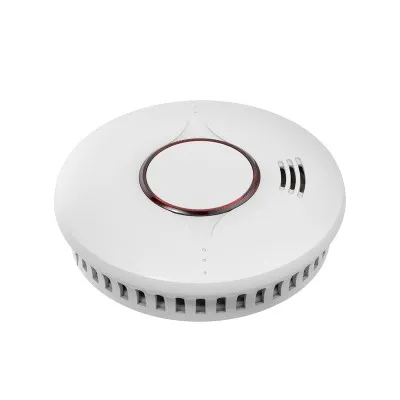


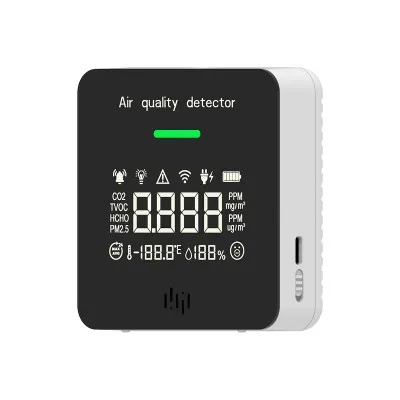


In the realm of home safety, smart smoke detectors have emerged as a revolutionary tool, promising to enhance our ability to detect fires early and prevent potential disasters. As a smoke detector supplier, I've witnessed firsthand the growing popularity of these devices and the questions that often surround their reliability. In this blog post, I'll delve into the science behind smart smoke detectors, explore their benefits and limitations, and provide insights into how you can make an informed decision about whether they're the right choice for your home.
The Science Behind Smart Smoke Detectors
Smart smoke detectors operate on the principle of detecting the presence of smoke particles in the air. There are two main types of smoke detection technologies commonly used in these devices: ionization and photoelectric.
Ionization smoke detectors contain a small amount of radioactive material that ionizes the air inside the detector. When smoke enters the chamber, it disrupts the ionization process, triggering the alarm. These detectors are highly sensitive to fast-flaming fires, which produce small, invisible particles.
Photoelectric smoke detectors, on the other hand, use a light source and a photoelectric sensor to detect smoke. When smoke enters the chamber, it scatters the light, causing the sensor to detect a change in light intensity and trigger the alarm. Photoelectric detectors are more effective at detecting smoldering fires, which produce larger, visible particles.
Smart smoke detectors often combine both ionization and photoelectric technologies to provide comprehensive fire detection. They also incorporate advanced features such as Wi-Fi connectivity, smartphone integration, and voice alerts, allowing users to monitor and control their detectors remotely.
Benefits of Smart Smoke Detectors
One of the primary benefits of smart smoke detectors is their ability to provide early warning of a fire. By detecting smoke at the earliest stages, these devices can give you and your family more time to evacuate safely. In addition, smart smoke detectors can send alerts directly to your smartphone, even when you're away from home, allowing you to take immediate action.


Another advantage of smart smoke detectors is their ability to integrate with other smart home devices. For example, they can be connected to smart thermostats, which can automatically turn off the heating or cooling system in the event of a fire, reducing the spread of smoke and heat. They can also be integrated with smart locks, allowing emergency responders to gain access to your home quickly.
Smart smoke detectors also offer enhanced reliability compared to traditional smoke detectors. They are designed to self-test regularly, ensuring that they are always in working order. In addition, many smart smoke detectors have built-in backup batteries, which can provide power in the event of a power outage.
Limitations of Smart Smoke Detectors
While smart smoke detectors offer many benefits, they also have some limitations. One of the main concerns is their reliance on Wi-Fi connectivity. If your Wi-Fi network goes down, your smart smoke detector may not be able to send alerts to your smartphone. In addition, some smart smoke detectors may require a subscription service to access certain features, such as remote monitoring and control.
Another limitation of smart smoke detectors is their cost. These devices are generally more expensive than traditional smoke detectors, which may make them less accessible to some consumers. In addition, the cost of the subscription service can add to the overall cost of ownership.
Finally, smart smoke detectors may not be as reliable in certain environments. For example, they may be less effective in areas with high levels of dust or humidity, which can cause false alarms. In addition, some smart smoke detectors may not be able to detect certain types of fires, such as those caused by electrical malfunctions.
How to Choose a Reliable Smart Smoke Detector
When choosing a smart smoke detector, it's important to consider several factors to ensure that you're getting a reliable device. Here are some tips to help you make an informed decision:
- Choose a detector with both ionization and photoelectric technologies: As mentioned earlier, combining both technologies can provide comprehensive fire detection.
- Look for a detector with Wi-Fi connectivity and smartphone integration: This will allow you to monitor and control your detector remotely.
- Consider the battery life: Make sure the detector has a long battery life or a built-in backup battery to ensure that it will continue to function in the event of a power outage.
- Check the reviews: Read reviews from other consumers to get an idea of the reliability and performance of the detector.
- Look for a detector with a warranty: A warranty can provide peace of mind and protect you against any defects or malfunctions.
Our Products
As a smoke detector supplier, we offer a range of high-quality smart smoke detectors that are designed to provide reliable fire detection. Our Battery Type Smoke Detector is a standalone device that uses both ionization and photoelectric technologies to detect smoke. It has a long battery life and can be easily installed in any room of your home.
Our Fire Alarm Security System is a wireless system that allows you to connect multiple smoke detectors together for enhanced protection. It also includes a control panel that can be used to monitor and control the system remotely.
Finally, our Battery Type Smoke Alarm is a simple and affordable option for those who are looking for basic fire detection. It uses ionization technology to detect smoke and has a loud alarm to alert you in the event of a fire.
Conclusion
Smart smoke detectors offer many benefits in terms of early fire detection and remote monitoring. However, they also have some limitations that you should be aware of before making a purchase. By considering the factors discussed in this blog post and choosing a reliable smart smoke detector, you can enhance the safety of your home and protect your family from the dangers of fire.
If you're interested in learning more about our smart smoke detectors or would like to discuss your specific needs, please feel free to contact us. We're here to help you make an informed decision and provide you with the best possible solution for your home.
References
- National Fire Protection Association. (2021). Smoke alarms in residential buildings. Retrieved from [NFPA Website]
- Consumer Reports. (2021). Best smoke detectors. Retrieved from [Consumer Reports Website]
- Underwriters Laboratories. (2021). UL 217: Standard for smoke alarms. Retrieved from [UL Website]


