





Hey there! As a supplier of Heat Detector Fire Proof products, I often get asked a bunch of questions about where our heat detectors can be used. One question that keeps popping up is, "Can heat detectors be used in areas with chemical fumes for fire proofing?" Let's dig into this topic and find out.
First off, let's understand what heat detectors are. Heat detectors are devices that are designed to sense an increase in temperature. They're an important part of any fire - proofing system. When the temperature rises above a set level, the heat detector triggers an alarm, alerting everyone in the area that there might be a fire.
Now, when it comes to areas with chemical fumes, things get a bit tricky. Chemical fumes can have different properties, and some of them can interfere with the normal operation of heat detectors.
How Chemical Fumes Can Affect Heat Detectors
Chemical fumes can cause a few problems for heat detectors. Some fumes might be corrosive. Corrosive fumes can eat away at the components of the heat detector over time. This can lead to malfunctions or false alarms. For example, if the fumes are acidic, they can damage the sensors and other internal parts of the heat detector.
Another issue is that some chemical fumes can have a cooling or heating effect on the detector. If the fumes are cold, they might lower the temperature around the detector, making it less likely to detect a real fire. On the other hand, if the fumes are hot, they could cause false alarms.
Types of Heat Detectors and Their Suitability
There are different types of heat detectors, and each has its own level of suitability for areas with chemical fumes.


Fixed - Temperature Heat Detectors
These detectors are set to trigger an alarm when the temperature reaches a specific level. They're pretty straightforward. In areas with chemical fumes, fixed - temperature heat detectors can work well if the fumes don't significantly affect the temperature around the detector. However, if the fumes cause rapid temperature changes, they might give false alarms.
Rate - of - Rise Heat Detectors
Rate - of - rise heat detectors are designed to detect a rapid increase in temperature. They're more sensitive to sudden changes. In areas with chemical fumes, these detectors can be a bit more challenging to use. If the fumes cause sudden temperature fluctuations, they might trigger false alarms.
Our Products and Their Performance in Chemical Fume Areas
At our company, we've developed some great heat detector products that are designed to handle tough environments, including areas with chemical fumes.
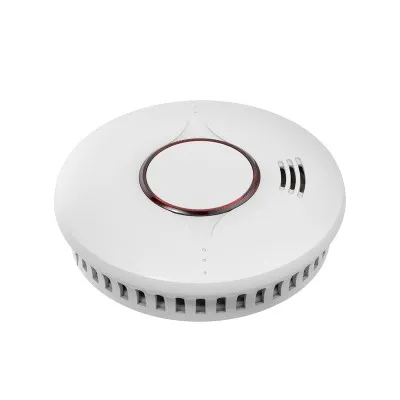
The Intelligent Heat Detector is one of our top - of - the - line products. It uses advanced technology to filter out false signals caused by chemical fumes. It can distinguish between normal temperature changes due to fumes and the temperature increase caused by a real fire. This makes it a great choice for areas where chemical fumes are present.
The Hard Wired Heat Alarms are also very reliable. They're hard - wired, which means they have a stable power supply. They're built with high - quality materials that can resist the corrosive effects of some chemical fumes. This ensures that they'll keep working properly even in tough conditions.
Our Mains Power Heat Detector With Battery is another great option. It has a backup battery, so even if there's a power outage, it can still function. This is important in areas with chemical fumes, as power outages can sometimes occur due to the corrosive nature of the fumes.
Real - World Examples
Let's take a look at some real - world examples. In a chemical manufacturing plant, there are often areas filled with various chemical fumes. Our heat detectors have been installed in these areas, and they've been performing really well. The intelligent heat detectors have been able to accurately detect fires while ignoring the temperature changes caused by the fumes.
In a laboratory, where different chemicals are used, our hard - wired heat alarms have been reliable. They've withstood the corrosive fumes and have provided a constant level of fire protection.
Tips for Using Heat Detectors in Chemical Fume Areas
If you're planning to use heat detectors in areas with chemical fumes, here are some tips:
- Choose the right type of detector: Based on the type of fumes and the environment, select the most suitable heat detector. For example, if the fumes cause rapid temperature changes, an intelligent heat detector might be the best choice.
- Regular maintenance: Make sure to regularly clean and inspect the heat detectors. This will help prevent any damage caused by the fumes and ensure that they're working properly.
- Proper installation: Install the heat detectors in the right locations. Avoid areas where the fumes are most concentrated, as this can increase the risk of false alarms or damage to the detector.
Conclusion
So, can heat detectors be used in areas with chemical fumes for fire proofing? The answer is yes, but it depends on a few factors. With the right type of heat detector and proper installation and maintenance, you can effectively use heat detectors in these challenging environments.
If you're interested in our heat detector products and want to discuss your specific needs, feel free to reach out. We're here to help you find the best fire - proofing solution for your area with chemical fumes.
References
- National Fire Protection Association (NFPA) standards on heat detectors and fire protection in industrial environments.
- Manufacturer's specifications for our heat detector products.


