

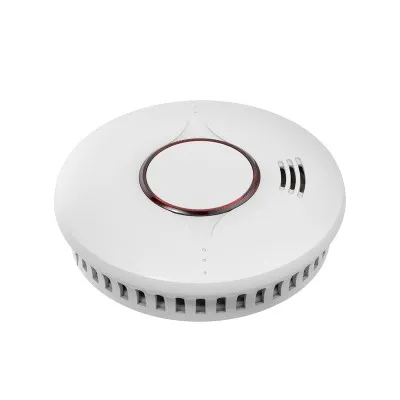


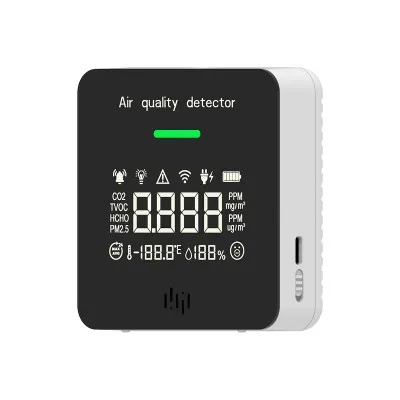


Hey there! As a supplier of Portable Heat Detectors, I often get asked, "Can a portable heat detector be used to detect heat in HVAC systems?" Well, let's dive right into this topic and explore the ins and outs.
First off, let's understand what a portable heat detector is. A Portable Heat Detector is a nifty little device that's designed to sense changes in temperature. It's small, easy to move around, and can be a real game - changer in various situations. Unlike fixed - in - place heat detectors, you can take it with you wherever you need to check for heat.
Now, let's talk about HVAC systems. HVAC stands for Heating, Ventilation, and Air Conditioning. These systems are all over the place, from homes to big commercial buildings. They're responsible for keeping us comfortable by maintaining the right temperature and air quality. But like any complex system, they can sometimes run into problems that generate excess heat.
So, can our portable heat detector work in HVAC systems? The answer is a big yes! And here's why.
One of the main benefits of using a portable heat detector in an HVAC system is flexibility. HVAC systems have different components, like the furnace, air handler, and ductwork. Each of these parts can develop hotspots for various reasons, such as a malfunctioning motor or a clogged filter. With a portable heat detector, you can easily move around the system and check each component. For example, if you suspect there's an issue with the furnace blower motor, you can just bring the detector right up to it and see if the temperature is within the normal range.
Another great thing about portable heat detectors is that they're relatively easy to use. You don't need to be a HVAC expert to operate one. Just turn it on, and it'll start reading the temperature. Some of our detectors even have visual and auditory alarms that go off when the temperature exceeds a set threshold. That means you'll know right away if there's a problem in the HVAC system.
Let's compare portable heat detectors to other types of heat - sensing devices. Take the Mains Heat Detector for example. This type of detector is usually permanently installed in a place. While it's great for continuous monitoring in a specific area, it lacks the flexibility of a portable one. If you want to check different parts of the HVAC system, you'd need multiple mains - powered detectors, which can be costly and time - consuming to install.
On the other hand, Battery Operated Heat Alarm is also a popular option. These are usually used for general fire - safety purposes. They're handy, but they might not provide the detailed temperature readings that you need for an HVAC system. Our portable heat detectors are specifically calibrated to detect a wide range of temperatures that are relevant to HVAC operations.
However, there are a few things to keep in mind when using a portable heat detector in an HVAC system. First, you need to make sure the detector is calibrated correctly. Incorrect calibration can lead to inaccurate temperature readings, which might cause you to miss a real problem or overreact to a non - issue.


Also, the environment in an HVAC system can be a bit tricky. There are airflows, dust, and humidity to consider. High airflows can affect the temperature readings because they can cool the detector down artificially. Dust can also clog the detector's sensors over time, reducing its accuracy. And high humidity can cause condensation on the detector, which can also lead to errors in measurement.
To overcome these challenges, you can take a few precautions. Make sure to follow the manufacturer's instructions for calibration and maintenance. Clean the detector regularly, especially if you're using it in a dusty environment. And when taking readings, try to do it in an area where the airflow is relatively stable.
In terms of practical applications, let's say you're a maintenance technician responsible for an office building's HVAC system. You can use a portable heat detector during routine inspections. Walk around the different HVAC components, take temperature readings, and keep a record. This way, you can spot any trends or abnormalities early on. For instance, if the temperature of a particular motor has been gradually increasing over a few weeks, it could be a sign of an impending failure.
If you manage a home HVAC system, a portable heat detector can also come in super handy. You can check for hotspots in the furnace during the winter months or in the air - conditioning unit during the summer. It can give you peace of mind knowing that your system is running safely and efficiently.
In summary, a portable heat detector can definitely be used to detect heat in HVAC systems. Its flexibility, ease of use, and ability to provide accurate temperature readings make it a valuable tool for both professionals and homeowners. Whether you're looking for a quick diagnosis or want to keep an eye on your system's performance over time, a portable heat detector is a great choice.
If you're interested in purchasing a Portable Heat Detector for your HVAC needs, don't hesitate to reach out. We're here to help you find the right product for your specific requirements. Whether it's for a small home system or a large commercial setup, we've got you covered.
References
- Various HVAC system operation and maintenance manuals
- Manufacturer's guidelines for portable heat detectors


