

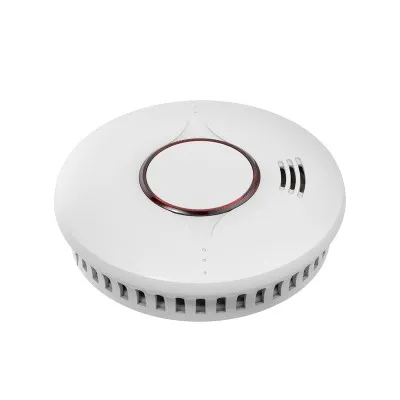




Hey there! As a supplier of Heat Detectors with Cable, I've been getting a lot of questions about how these detectors perform in areas with strong air currents. So, I thought I'd share my insights on this topic.
First off, let's understand how a Heat Detector with Cable works. These detectors are designed to sense changes in temperature. When the temperature in the area exceeds a certain pre - set threshold, the detector is triggered, and it can send an alarm signal. The cable is an important part of the system as it allows for the transmission of data and power, making the detector a reliable and integral part of a fire alarm setup.
Now, let's talk about strong air currents. In areas with strong air currents, like large industrial warehouses, open - air hangars, or even some large - scale commercial kitchens, the performance of a Heat Detector with Cable can be affected in several ways.
One of the main issues is the cooling effect of the air currents. Strong air can rapidly cool the area around the detector. This means that even if there is a fire or a significant heat source nearby, the detector might not sense the temperature increase as quickly as it would in a still - air environment. For example, if a fire starts in a corner of a warehouse with strong ventilation, the air flowing across the detector could keep the temperature around it relatively low, delaying the detection of the fire.
However, that doesn't mean Heat Detectors with Cable are ineffective in these areas. Many modern detectors are designed to compensate for such situations. They use advanced technology that can distinguish between normal temperature fluctuations caused by air currents and actual heat sources related to a fire. For instance, some detectors have built - in algorithms that analyze the rate of temperature change. If the temperature starts to rise rapidly, even in the presence of strong air currents, the detector can still recognize it as a potential fire situation.
Another factor to consider is the placement of the detector. In areas with strong air currents, proper placement is crucial. The detector should be installed in a location where it can still be exposed to the heat from a potential fire, despite the air flow. It's often recommended to place the detector away from direct air vents or areas where the air flow is extremely strong. For example, in a commercial kitchen, the detector should be installed on the ceiling away from the exhaust fans to ensure accurate detection.
Let's also touch on the different types of Heat Detectors with Cable. There are wired and wireless options available. The Fire Alarm Heat is a great example of a wired option. It offers a reliable connection and is often used in larger installations where a consistent power supply and data transmission are required. On the other hand, the Wireless Heat Alarm provides more flexibility in terms of installation, especially in areas where running cables might be difficult. And if you're looking for a more advanced option, the 4 Wire Heat Detector offers enhanced functionality and better performance in complex environments.
In addition to the technical aspects, maintenance is also important in areas with strong air currents. The air flow can carry dust, debris, and other particles, which can accumulate on the detector. This can affect its performance over time. Regular cleaning and inspection of the detector are necessary to ensure that it functions properly. For example, in an industrial area with a lot of dust, the detector might need to be cleaned every few months to prevent false alarms or reduced sensitivity.


When it comes to choosing the right Heat Detector with Cable for areas with strong air currents, it's important to consider the specific requirements of the location. Factors such as the size of the area, the intensity of the air currents, and the type of activities taking place in the area all play a role. For example, in a high - traffic industrial area, a more robust and sensitive detector might be needed.
To sum it up, while strong air currents can pose challenges to the performance of a Heat Detector with Cable, with the right technology, proper placement, and regular maintenance, these detectors can still provide reliable fire detection in such areas.
If you're in the market for a Heat Detector with Cable and have questions about how it will perform in your specific environment, don't hesitate to reach out. We're here to help you make the best choice for your fire safety needs. Whether you need a wired or wireless option, or have a unique installation requirement, we've got you covered. Let's have a chat about your project and find the perfect solution for you.
References:
- Industry standards on heat detector performance
- Manufacturer's specifications for Heat Detectors with Cable


