





In today's fast - paced world, smart home systems have become an integral part of modern living. As a leading Smart Home System supplier, we understand the importance of optimizing the performance of these systems to provide our customers with the best possible experience. This blog post will delve into various strategies and techniques to enhance the performance of a smart home system.
1. Network Optimization
A stable and high - speed network is the backbone of any smart home system. Wi - Fi is the most common way to connect smart devices, but it can be prone to interference and signal degradation.
First, ensure that your router is placed in a central location in your home. This helps to provide an even distribution of the Wi - Fi signal throughout the house. Avoid placing the router near large metal objects or appliances that can cause interference, such as microwaves or cordless phones.
Second, consider upgrading your router to a more powerful model if you have a large number of smart devices. A router with multiple antennas and support for the latest Wi - Fi standards (such as Wi - Fi 6) can significantly improve the network performance.
Third, use Wi - Fi extenders or mesh Wi - Fi systems to eliminate dead zones in your home. These devices can extend the range of your Wi - Fi signal, ensuring that all your smart devices are connected reliably. For example, if you have a Smart Home Wifi Door Sensor ["/smart-home-system/smart-home-wifi-door-sensor.html"] placed in a far - corner of your house, a Wi - Fi extender can help it maintain a stable connection.
2. Device Compatibility and Firmware Updates
One of the key factors in optimizing the performance of a smart home system is ensuring that all your devices are compatible with each other. Different smart devices may use different communication protocols, and if they are not compatible, it can lead to connectivity issues and performance problems.
Before purchasing a new smart device, make sure it is compatible with your existing smart home ecosystem. Most smart home platforms provide a list of compatible devices on their websites.
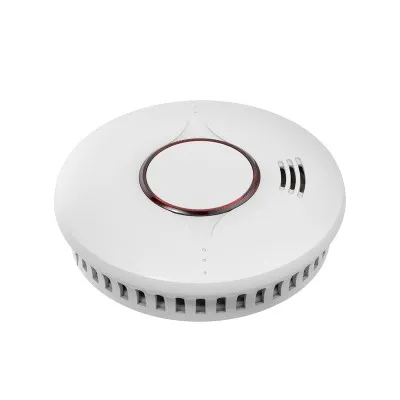
Regularly update the firmware of your smart devices. Firmware updates often include bug fixes, security patches, and performance improvements. For example, a Smart Home Carbon Dioxide Alarm ["/smart-home-system/smart - homr - wireless - emergency - watch.html"] may receive a firmware update that improves its accuracy and responsiveness.
3. Power Management
Smart home devices consume varying amounts of power, and improper power management can lead to reduced performance and shorter device lifespans.
Use smart power strips to control the power supply to your smart devices. You can schedule when the devices are powered on and off, which not only saves energy but also reduces the wear and tear on the devices.
For battery - powered devices, such as smart sensors, replace the batteries regularly. Low - battery levels can cause the devices to malfunction or have reduced performance.
4. Automation and Scheduling
Automation is one of the key features of a smart home system. By setting up automations and schedules, you can optimize the performance of your smart home and make your life more convenient.
For example, you can set up an automation to turn off all the lights in your home when you leave. This not only saves energy but also ensures that your lights are not left on accidentally. You can also schedule your Smart Home Wireless Remote Controller ["/smart-home-system/smart-home-wireless-remote-controller.html"] to control different devices at specific times of the day.
5. Security and Privacy
A smart home system is only as good as its security. A security breach can not only compromise your privacy but also affect the performance of your smart home system.
Use strong, unique passwords for all your smart home devices and accounts. Enable two - factor authentication whenever possible to add an extra layer of security.
Regularly check for security updates for your smart home devices and the smart home platform you are using. These updates often include patches for known security vulnerabilities.


6. System Monitoring and Troubleshooting
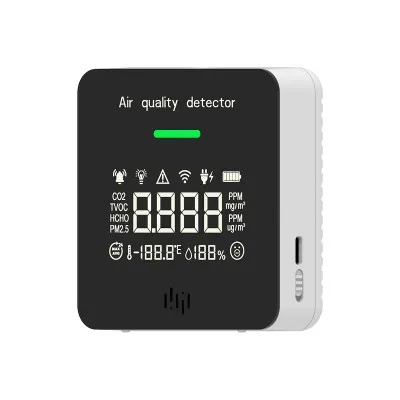
Regularly monitor the performance of your smart home system. Most smart home platforms provide tools to monitor the status of your devices, such as battery levels, connectivity, and usage.
If you encounter any performance issues, such as a device not responding or a slow - running system, troubleshoot the problem. Check the device's settings, ensure it is properly connected to the network, and try restarting the device and the router.
7. Integration and Customization
Integrating different smart devices and services can enhance the functionality and performance of your smart home system. For example, you can integrate your smart home system with a voice assistant, such as Amazon Alexa or Google Assistant. This allows you to control your smart devices using voice commands, which is not only convenient but also can improve the overall user experience.
Customize your smart home system to suit your specific needs and preferences. You can create custom scenes, such as a "movie night" scene where the lights dim, the TV turns on, and the curtains close automatically.
8. Professional Installation and Support
If you are not confident in setting up your smart home system on your own, consider professional installation. Professional installers have the expertise and experience to ensure that your smart home system is installed correctly and optimized for performance.
In addition, make sure to choose a smart home system supplier that offers reliable customer support. If you encounter any issues with your smart home system, you can rely on the supplier's support team to help you resolve the problem.
In conclusion, optimizing the performance of a smart home system requires a combination of network optimization, device compatibility, power management, automation, security, monitoring, integration, and professional support. As a Smart Home System supplier, we are committed to providing our customers with high - quality products and services to help them create a smart and efficient home environment.
If you are interested in purchasing our smart home systems or have any questions about optimizing the performance of your smart home, we encourage you to contact us for a procurement discussion. We look forward to working with you to make your smart home dreams a reality.
References
- Smart Home Technology: A Comprehensive Guide. [Author's name], [Publication year]
- Wi - Fi Network Optimization for Smart Homes. [Author's name], [Publication year]
- Security and Privacy in Smart Home Systems. [Author's name], [Publication year]


