





In the era of rapid technological advancement, the concept of a smart home has emerged as a revolutionary trend, promising to transform the way we live. As a leading supplier of smart home systems, I am often asked whether a smart home system can be effectively used for home automation. The answer is a resounding yes. In this blog, I will explore the capabilities of smart home systems in enabling home automation, highlighting the benefits, components, and practical applications.
The Foundation of Home Automation: Smart Home Systems
A smart home system serves as the backbone of home automation, integrating various devices and technologies to create a connected and intelligent living environment. At its core, a smart home system consists of a central hub or controller that communicates with a network of smart devices, allowing users to control and monitor their home remotely. This central hub acts as the brain of the system, processing data and executing commands based on user preferences and predefined rules.
One of the key advantages of a smart home system is its ability to automate routine tasks and processes, making daily life more convenient and efficient. For example, you can set your smart thermostat to adjust the temperature based on your schedule, ensuring that your home is always at the perfect temperature when you arrive. You can also program your smart lighting system to turn on and off at specific times, creating a personalized lighting scheme that enhances the ambiance of your home.
Components of a Smart Home System
A smart home system typically includes a variety of components, each playing a crucial role in enabling home automation. Some of the most common components include:
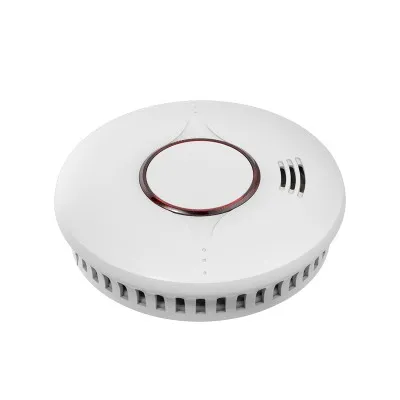
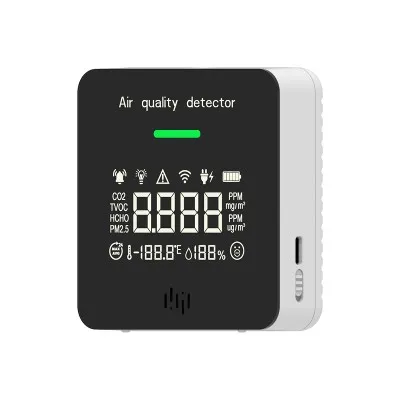
- Smart Sensors: These devices are used to detect changes in the environment, such as motion, temperature, humidity, and light levels. Smart sensors can be placed throughout your home to monitor various conditions and trigger automated responses. For example, a Smart Door Sensor can detect when a door is opened or closed and send an alert to your smartphone, providing an added layer of security.
- Smart Appliances: Many modern appliances, such as refrigerators, washing machines, and ovens, are now equipped with smart features that allow them to be controlled remotely. You can use your smartphone or voice commands to start or stop an appliance, adjust its settings, or receive notifications when a cycle is complete.
- Smart Lighting: Smart lighting systems offer a wide range of features, including dimming, color changing, and scheduling. You can use your smartphone or voice commands to control the brightness and color of your lights, creating a customized lighting experience that suits your mood and preferences.
- Smart Thermostats: These devices allow you to control the temperature of your home remotely, saving energy and reducing your utility bills. Smart thermostats can learn your temperature preferences and adjust the settings automatically based on your schedule and the weather conditions.
- Smart Security Systems: Smart security systems provide advanced features such as video surveillance, motion detection, and remote access. You can use your smartphone to monitor your home in real-time, receive alerts when a security breach is detected, and even control your security cameras and locks remotely.
Benefits of Home Automation
The benefits of home automation are numerous and far-reaching. Here are some of the key advantages of using a smart home system for home automation:
- Convenience: Home automation allows you to control your home devices and systems with ease, using your smartphone, tablet, or voice commands. You can turn on the lights, adjust the temperature, lock the doors, and even start the coffee maker from anywhere in the world, making your life more convenient and efficient.
- Energy Efficiency: Smart home systems can help you save energy and reduce your utility bills by automatically adjusting the temperature, lighting, and other settings based on your usage patterns and the weather conditions. For example, you can set your smart thermostat to lower the temperature when you are away from home, or turn off the lights when no one is in the room.
- Security: Smart home security systems provide advanced features such as video surveillance, motion detection, and remote access, allowing you to monitor your home in real-time and receive alerts when a security breach is detected. You can also control your security cameras and locks remotely, providing an added layer of security and peace of mind.
- Comfort: Home automation allows you to create a personalized and comfortable living environment by adjusting the temperature, lighting, and other settings to suit your preferences. You can also use smart home devices to play music, stream videos, and control other entertainment systems, enhancing your overall living experience.
- Accessibility: Smart home systems are designed to be user-friendly and accessible, making them suitable for people of all ages and abilities. You can use your smartphone, tablet, or voice commands to control your home devices and systems, even if you have limited mobility or vision.
Practical Applications of Home Automation
Home automation has a wide range of practical applications, from enhancing security and energy efficiency to improving comfort and convenience. Here are some examples of how you can use a smart home system for home automation:
- Security: You can use a smart home security system to monitor your home in real-time, receive alerts when a security breach is detected, and even control your security cameras and locks remotely. You can also set up motion sensors and door/window sensors to detect any unauthorized entry and trigger an alarm.
- Energy Efficiency: You can use a smart thermostat to adjust the temperature of your home based on your schedule and the weather conditions, saving energy and reducing your utility bills. You can also use smart lighting systems to turn off the lights when no one is in the room, or adjust the brightness based on the time of day.
- Comfort and Convenience: You can use a smart home system to control your home devices and systems with ease, using your smartphone, tablet, or voice commands. You can turn on the lights, adjust the temperature, lock the doors, and even start the coffee maker from anywhere in the world, making your life more convenient and efficient.
- Health and Wellness: You can use a smart home system to monitor your health and wellness, such as tracking your sleep patterns, monitoring your heart rate, and even reminding you to take your medication. You can also use smart home devices to create a relaxing and comfortable environment, such as playing soothing music or adjusting the lighting to create a calming atmosphere.
Challenges and Considerations
While home automation offers many benefits, there are also some challenges and considerations that you need to keep in mind. Here are some of the key challenges and considerations:


- Compatibility: Not all smart home devices and systems are compatible with each other, which can make it difficult to integrate them into a single system. Before purchasing any smart home devices, make sure they are compatible with your existing smart home system or central hub.
- Security: Smart home systems are vulnerable to cyber attacks, which can compromise your privacy and security. To protect your smart home system, make sure you use strong passwords, keep your software up to date, and avoid connecting to public Wi-Fi networks.
- Cost: Smart home devices and systems can be expensive, especially if you want to install a comprehensive home automation system. Before investing in a smart home system, make sure you have a clear understanding of the costs involved and whether the benefits outweigh the expenses.
- Technical Knowledge: Installing and configuring a smart home system can be complex, especially if you are not familiar with the technology. If you are not comfortable installing and configuring the system yourself, consider hiring a professional installer.
Conclusion
In conclusion, a smart home system can be effectively used for home automation, offering a wide range of benefits such as convenience, energy efficiency, security, comfort, and accessibility. By integrating various smart devices and technologies, you can create a connected and intelligent living environment that enhances your overall quality of life. However, it is important to keep in mind the challenges and considerations associated with home automation, such as compatibility, security, cost, and technical knowledge. If you are interested in learning more about our smart home systems or would like to discuss your home automation needs, please contact us to schedule a consultation. We look forward to helping you transform your home into a smart and connected living space.
References
- "Smart Home Technology: A Comprehensive Guide." TechRadar.
- "The Future of Home Automation." Forbes.
- "How to Build a Smart Home." Wired.


