

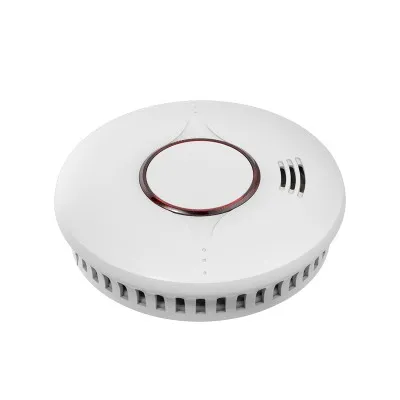




Hey there! As a supplier of RF Heat Detectors, I've been getting a lot of questions lately about whether these devices can be used in schools. So, I thought I'd sit down and write a blog post to address this topic.
First off, let's talk about what an RF Heat Detector is. An RF (Radio Frequency) Heat Detector is a type of fire detection device that uses radio frequency technology to communicate with other devices in a fire alarm system. It works by detecting changes in temperature and sending a signal to the control panel when it senses a significant increase in heat. This type of detector is known for its reliability and long-range communication capabilities, making it a popular choice for large-scale installations.
Now, let's get to the big question: Can an RF Heat Detector be used in schools? The short answer is yes, and there are several reasons why.
Advantages of Using RF Heat Detectors in Schools
1. Wide Coverage
Schools are large buildings with multiple classrooms, hallways, and common areas. RF Heat Detectors can cover a wide area, which means you don't need to install as many devices to ensure proper fire detection. This can save on installation costs and reduce the complexity of the fire alarm system. For example, a single RF Heat Detector can monitor a large classroom or a long hallway, providing comprehensive protection.
2. Easy Installation
Installing traditional hard-wired heat detectors can be a time-consuming and costly process, especially in older school buildings. RF Heat Detectors, on the other hand, are relatively easy to install. They don't require extensive wiring, which means less disruption to the school's daily operations. You can simply mount the detectors on the ceiling or walls and connect them to the system wirelessly. This makes the installation process faster and more convenient, allowing schools to get their fire alarm systems up and running quickly.
3. Flexibility
Schools often undergo renovations or changes in layout over time. RF Heat Detectors offer flexibility because they can be easily moved or repositioned without the need for major rewiring. This means that if a classroom is converted into a storage room or a new wing is added to the school, the fire alarm system can be easily adjusted to accommodate these changes.
4. Reliable Communication
In a fire emergency, reliable communication between the detectors and the control panel is crucial. RF technology ensures that the detectors can communicate effectively even in large buildings with multiple floors and obstacles. This reduces the risk of false alarms and ensures that the fire alarm system will respond quickly and accurately in the event of a fire.
Considerations When Using RF Heat Detectors in Schools
While RF Heat Detectors offer many advantages, there are also some considerations that schools need to keep in mind.
1. Interference
RF signals can be affected by interference from other electronic devices. In a school environment, there are many electronic devices such as computers, Wi-Fi routers, and smart boards. These devices can potentially interfere with the RF signals of the heat detectors, causing false alarms or reducing the effectiveness of the system. To minimize interference, it's important to choose high-quality RF Heat Detectors that are designed to operate in environments with a lot of electronic noise. You can also consult with a professional fire alarm installer to ensure that the detectors are installed in the right locations and that the system is properly configured.


2. Power Source
RF Heat Detectors typically rely on batteries or a combination of mains power and battery backup. It's important to ensure that the power source is reliable and that the batteries are regularly replaced. In a school setting, where there may be a large number of detectors, keeping track of battery replacements can be a challenge. However, some RF Heat Detectors, like the Mains Power Heat Detector With Battery, offer a convenient solution by combining mains power with battery backup. This ensures that the detectors will continue to operate even in the event of a power outage.
3. Maintenance
Like any fire detection device, RF Heat Detectors require regular maintenance to ensure their proper operation. This includes testing the detectors, cleaning them, and checking for any signs of damage or malfunction. Schools should have a maintenance schedule in place and ensure that qualified personnel are responsible for performing the maintenance tasks. Additionally, it's important to keep records of all maintenance activities for compliance purposes.
Comparison with Other Types of Heat Detectors
Let's take a look at how RF Heat Detectors compare with other types of heat detectors commonly used in schools.
1. Hard Wired Heat Alarms
Hard Wired Heat Alarms are traditional heat detectors that are connected to the building's electrical system using wires. While they are reliable, they can be more difficult and expensive to install, especially in older buildings. RF Heat Detectors, on the other hand, offer the advantage of easy installation and flexibility, making them a more practical choice for many schools.
2. Intelligent Heat Detectors
Intelligent Heat Detectors are advanced heat detectors that can analyze the temperature data and make more accurate decisions about whether a fire is present. They are often used in high-risk areas where false alarms need to be minimized. While RF Heat Detectors may not have the same level of intelligence as these detectors, they still offer reliable fire detection and are more cost-effective for large-scale installations.
Conclusion
In conclusion, RF Heat Detectors can be a great option for schools. They offer wide coverage, easy installation, flexibility, and reliable communication. However, schools need to be aware of the potential challenges such as interference, power source, and maintenance. By choosing high-quality RF Heat Detectors and working with a professional fire alarm installer, schools can ensure that their fire alarm systems are effective and reliable.
If you're a school administrator or someone responsible for the fire safety of a school, I encourage you to consider RF Heat Detectors for your fire alarm system. We're here to help you choose the right products and provide you with the support you need. Whether you have questions about installation, maintenance, or product specifications, feel free to reach out to us. Let's work together to keep our schools safe from fire.
References
- Fire Protection Handbook, National Fire Protection Association
- School Fire Safety Guidelines, Local Fire Department


