





Hey there! As a supplier of smart smoke detectors, I've seen firsthand how these little devices can be a game - changer when it comes to home and business safety. But with so many options out there, it can be a real headache to figure out what features you should be looking for. So, let's dive right in and break it down.
Sensitivity and Detection Technology
First off, the most important thing a smoke detector does is detect smoke, right? Well, the sensitivity and the type of detection technology are crucial. There are two main types: ionization and photoelectric.
Ionization detectors are super fast at detecting fast - flaming fires. They work by using a small amount of radioactive material to ionize the air inside the detector. When smoke enters, it disrupts the ionization process, triggering the alarm. These are great for fires that start quickly and blaze brightly.
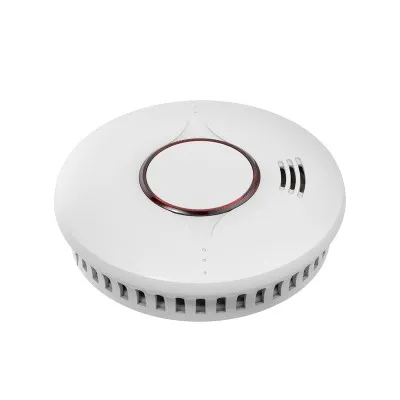
On the other hand, photoelectric detectors are better at detecting smoldering fires. They use a light source and a light sensor. When smoke enters the chamber, it scatters the light onto the sensor, setting off the alarm. Many modern smart smoke detectors, like the Smoke Detector Intelligent, come with dual - sensor technology. This means they have both ionization and photoelectric sensors, giving you the best of both worlds and covering a wider range of fire scenarios.
Connectivity
One of the key features of a smart smoke detector is its connectivity. In today's digital age, you want your detector to be able to communicate with other devices. Wi - Fi and Bluetooth are two common connectivity options.
A Wi - Fi - enabled smart smoke detector, such as the Mains Smart Smoke Alarm, can connect to your home network. This allows you to receive real - time alerts on your smartphone, no matter where you are. You can also integrate it with other smart home devices, like smart speakers or smart locks. For example, if the smoke detector goes off, you can have your smart speaker announce the emergency, or your smart lock can unlock the doors to make it easier for firefighters to enter.
Bluetooth connectivity is also useful, especially for local control. You can pair your smartphone directly with the detector to test it, silence false alarms, or check its battery status. Some detectors even allow you to use a mobile app to customize settings and get detailed information about the device.
Battery Life and Power Source
Battery life is a big deal. You don't want to be constantly changing batteries or dealing with a detector that dies at the worst possible time.
Some smart smoke detectors are battery - powered, while others can be connected to the mains power supply. Battery - powered detectors offer more flexibility in terms of installation, as you don't have to worry about finding an electrical outlet. However, you need to make sure they have a long battery life. Look for detectors that use high - quality batteries and have power - saving features.
Mains - powered detectors, like the one mentioned above, are more reliable in terms of continuous power. They usually have a backup battery in case of a power outage. This ensures that the detector keeps working even when the electricity goes out.
Voice Alerts and Notifications
Voice alerts are a great feature, especially for people with hearing impairments or those who might be confused in an emergency. Instead of just a beeping sound, the detector can clearly announce "Fire! Fire!" or provide other important information, like the location of the fire if it's a multi - zone detector.
In addition to in - device voice alerts, you also want to receive notifications on your phone. The notifications should be detailed and easy to understand. For example, it could tell you whether it's a real fire alarm or a false alarm due to cooking smoke.
Self - Testing and Maintenance
Nobody wants to spend hours testing and maintaining their smoke detectors. That's why self - testing features are so important. A good smart smoke detector should be able to test itself regularly and let you know if there are any issues.
Some detectors can perform a full diagnostic check, including testing the sensors, the battery, and the connectivity. If there's a problem, it can send you an alert on your phone, so you can take action right away. This not only saves you time but also ensures that your detector is always in good working condition.
Compatibility with Other Safety Devices
Your smart smoke detector shouldn't work in isolation. It should be able to work together with other safety devices in your home or business.
For example, it can be integrated with a smart carbon monoxide detector. If both detectors go off at the same time, it could indicate a more serious problem, like a faulty heating system. You can also connect it to a home security system. When the smoke detector detects a fire, the security system can send additional alerts to the monitoring center and trigger other safety measures, such as turning on emergency lights.


Durability and Build Quality
Last but not least, you want a smoke detector that is built to last. Look for detectors that are made from high - quality materials and have a good build quality.
The housing should be sturdy and resistant to damage from moisture, dust, and physical impacts. Some detectors are also designed to be tamper - resistant, which is important to prevent accidental or intentional disarming.
Conclusion
So, there you have it - the key features to look for in a smart smoke detector. Whether you're a homeowner looking to upgrade your safety system or a business owner responsible for the safety of your employees and customers, these features can make a huge difference.
If you're interested in purchasing high - quality smart smoke detectors, we're here to help. Our Smoke Detector Intelligent, Smart Fire Detector, and Mains Smart Smoke Alarm are all designed with these important features in mind. We're always happy to discuss your specific needs and help you find the best solution for your situation. Contact us to start a purchase negotiation and take the first step towards a safer environment.
References
- National Fire Protection Association (NFPA). Fire Protection Handbook.
- Underwriters Laboratories (UL). UL Standards for Smoke Detectors.


