

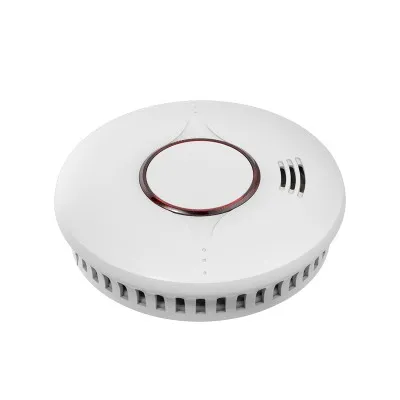


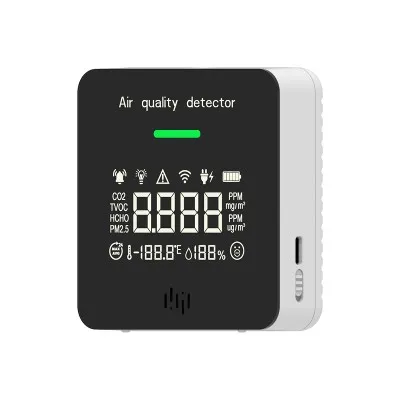


When it comes to home safety, smart smoke detectors play a pivotal role. As a leading supplier of Smart Smoke Detector, I often get asked about the signal strength of these life - saving devices. In this blog, I'll delve deep into what signal strength means for a smart smoke detector, why it's crucial, and how it impacts the overall performance of the detector.
Understanding Signal Strength
Signal strength in a smart smoke detector refers to the power and quality of the wireless signal that the detector uses to communicate with other devices, such as smartphones, smart home hubs, or other interlinked smoke alarms. Just like your smartphone needs a strong signal to make calls or browse the internet, a smart smoke detector requires a robust signal to function effectively.
The signal strength is typically measured in decibels (dBm). A higher negative dBm value indicates a weaker signal. For example, - 100 dBm is a weaker signal compared to - 80 dBm. Most smart smoke detectors operate on Wi - Fi, ZigBee, or Bluetooth wireless protocols, and each protocol has its own optimal signal strength requirements for reliable communication.
Why Signal Strength Matters
Reliable Alarm Transmission
The primary function of a smart smoke detector is to alert you when it detects smoke or fire. A strong signal ensures that the alarm signal is transmitted promptly and without interruption to your connected devices. If the signal is weak, there may be delays in receiving the alarm, or the alarm may not be sent at all. This can be a matter of life and death, as every second counts in a fire emergency.
Interconnectivity
Many modern smart smoke detectors are designed to be interlinked. When one detector senses smoke, all the interconnected detectors will sound an alarm. Interlinked Smoke Alarms rely on a strong signal to communicate with each other effectively. If the signal strength between detectors is poor, the interconnection feature may fail, leaving parts of your home without proper fire protection.
Remote Monitoring
One of the key advantages of a smart smoke detector is the ability to monitor your home remotely. You can receive alerts on your smartphone even when you're away. A strong signal is essential for this feature to work correctly. Without a reliable signal, you may miss important alerts, and you won't be able to take appropriate action in a timely manner.
Factors Affecting Signal Strength
Distance from the Router
The farther a smart smoke detector is from the Wi - Fi router or the central hub, the weaker the signal will be. As the signal travels through space, it loses strength. You may need to consider the layout of your home and the placement of the detector to ensure it is within a reasonable range of the router.
Physical Obstructions
Walls, floors, and other physical barriers can significantly weaken the signal. Thick concrete walls, metal objects, and large appliances can block or absorb the wireless signal, reducing its strength. When installing a smart smoke detector, try to avoid placing it behind large obstacles.
Interference
Other electronic devices operating on the same frequency can cause interference and weaken the signal. For example, microwaves, cordless phones, and some baby monitors operate on the 2.4 GHz frequency, which is also used by many Wi - Fi networks. This interference can disrupt the communication between the smart smoke detector and the router.
Ensuring Optimal Signal Strength
Proper Placement
Choose the right location for your smart smoke detector. Place it close to the router if possible, and avoid areas with high levels of interference or physical obstructions. The National Fire Protection Association (NFPA) recommends installing smoke detectors on every level of your home, outside each sleeping area, and in each bedroom. You can balance the safety requirements with the need for a strong signal when choosing the exact placement.

Signal Boosters
If the distance between the detector and the router is too great, or if there are significant obstructions, you can use a Wi - Fi signal booster or a range extender. These devices can amplify the signal and extend its coverage area, ensuring that your smart smoke detector has a strong connection.
Regular Testing
Regularly test the signal strength of your smart smoke detector. Most smart home apps allow you to check the signal strength of connected devices. If you notice a weak signal, you can take steps to improve it, such as repositioning the detector or adjusting the router settings.
Our Smart Smoke Detector's Signal Strength Performance
At our company, we understand the importance of signal strength in a smart smoke detector. Our Smart Smoke Detector is engineered to provide a reliable and strong signal. We use advanced wireless technology and high - quality components to ensure that our detectors can communicate effectively with your connected devices.
Our Smart Fire Detector also features a self - diagnostic function that continuously monitors the signal strength. If the signal drops below an acceptable level, the detector will alert you, allowing you to take immediate action to improve the signal.
Conclusion
The signal strength of a smart smoke detector is a critical factor in its performance and your home's safety. A strong signal ensures reliable alarm transmission, seamless interconnectivity, and effective remote monitoring. By understanding the factors that affect signal strength and taking steps to optimize it, you can ensure that your smart smoke detector provides the protection you need.
If you're interested in enhancing the safety of your home with our high - quality smart smoke detectors, we invite you to contact us for a procurement discussion. Our team of experts is ready to assist you in choosing the right products for your needs and ensuring a smooth installation process.
References
- National Fire Protection Association (NFPA). NFPA 72: National Fire Alarm and Signaling Code.
- IEEE Standards Association. Standards for wireless communication protocols (Wi - Fi, ZigBee, Bluetooth).


