

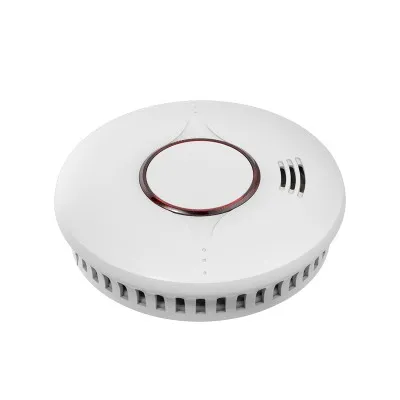




In today's era of rapid technological advancement, the concept of smart homes has gained significant popularity. A smart home system integrates various devices to enhance convenience, security, and energy efficiency. One crucial aspect of home safety is fire detection, and wireless smoke detectors have emerged as a popular choice. But the question remains: Can a wireless smoke detector be connected to a smart home system? As a supplier of Wireless Smoke Detectors, I'm here to delve into this topic and provide you with comprehensive insights.
Understanding Wireless Smoke Detectors
Before we explore the connection to smart home systems, let's first understand what wireless smoke detectors are. Wireless smoke detectors are devices designed to detect the presence of smoke in a room or area. They operate without the need for physical wiring, making them easy to install and relocate. These detectors typically use battery power or can be connected to a power source through alternative means.
There are different types of wireless smoke detectors available in the market. Some use radio frequency (RF) technology to communicate with other detectors in a network, while others utilize Wi-Fi or Bluetooth for connectivity. The choice of technology depends on the specific requirements and features of the detector.
Connecting Wireless Smoke Detectors to Smart Home Systems
The short answer is yes, a wireless smoke detector can be connected to a smart home system. In fact, this integration offers several benefits that enhance the overall safety and functionality of your home.


1. Remote Monitoring and Alerts
One of the primary advantages of connecting a wireless smoke detector to a smart home system is the ability to monitor your home remotely. Through a smartphone app or a web interface, you can receive real-time alerts if the smoke detector detects smoke or fire. This is particularly useful when you're away from home, as you can take immediate action, such as contacting the fire department or notifying neighbors.
2. Integration with Other Smart Devices
A smart home system allows for seamless integration of various devices. When a wireless smoke detector is connected, it can trigger other smart devices in your home. For example, it can automatically turn on lights, unlock doors, or send notifications to other connected devices, such as smart speakers or wearables. This coordinated response can help in evacuating the premises quickly and safely.
3. Customization and Automation
With a smart home system, you can customize the settings of your wireless smoke detector according to your preferences. You can set different sensitivity levels, schedule tests, and even create automation rules. For instance, you can configure the detector to send an alert to your phone only during certain hours or when you're outside a specific geofence.
Types of Connectivity for Wireless Smoke Detectors in Smart Home Systems
As mentioned earlier, wireless smoke detectors can use different types of connectivity to integrate with smart home systems. Here are some of the common methods:
1. Wi-Fi Connectivity
Wi-Fi-enabled wireless smoke detectors are becoming increasingly popular due to their ease of use and wide range of compatibility. These detectors can connect directly to your home's Wi-Fi network, allowing you to control and monitor them through a smartphone app. They also support integration with popular smart home platforms like Amazon Alexa, Google Assistant, and Apple HomeKit.
2. Bluetooth Connectivity
Bluetooth is another option for connecting wireless smoke detectors to smart home systems. Bluetooth-enabled detectors can communicate with your smartphone or other Bluetooth devices within a short range. While the range is limited compared to Wi-Fi, Bluetooth connectivity is often used for local control and setup of the detector.
3. Zigbee or Z-Wave
Zigbee and Z-Wave are wireless communication protocols specifically designed for smart home devices. These protocols offer low-power, reliable communication between devices in a mesh network. Many wireless smoke detectors support Zigbee or Z-Wave connectivity, allowing them to integrate with other Zigbee or Z-Wave-enabled devices in your smart home system.
Our Wireless Smoke Detectors and Their Compatibility
As a supplier of Wireless Smoke Detectors, we offer a range of products that are designed to be easily integrated with smart home systems. Our Wireless Connected Smoke Detectors use advanced RF technology to communicate with other detectors in a network, providing comprehensive coverage for your home. These detectors can also be connected to a smart home hub or gateway for remote monitoring and control.
In addition, we have Mains Powered Smoke Alarm that combines the reliability of mains power with the convenience of wireless connectivity. These alarms are Wi-Fi enabled, allowing you to connect them to your smart home system and receive real-time alerts on your smartphone.
Our Hardwired Fire Alarm offers a hybrid solution, with both hardwired and wireless connectivity options. This ensures that the detector remains operational even in the event of a power outage, while also providing the flexibility to integrate with your smart home system.
Considerations When Connecting Wireless Smoke Detectors to Smart Home Systems
While the integration of wireless smoke detectors with smart home systems offers many benefits, there are some considerations to keep in mind:
1. Compatibility
Before purchasing a wireless smoke detector, ensure that it is compatible with your existing smart home system or the platform you plan to use. Check the specifications and requirements of the detector and the smart home hub or gateway to ensure seamless integration.
2. Security
As with any connected device, security is a crucial concern. Make sure that the wireless smoke detector and the smart home system use strong encryption and authentication protocols to protect your data and prevent unauthorized access.
3. Power Source
Consider the power source of the wireless smoke detector. While battery-powered detectors offer flexibility, they require regular battery replacement. Mains-powered detectors, on the other hand, provide continuous power but may be affected by power outages. Some detectors offer dual power options for added reliability.
Conclusion
In conclusion, a wireless smoke detector can indeed be connected to a smart home system, offering enhanced safety, convenience, and functionality. By integrating your smoke detector with a smart home system, you can monitor your home remotely, receive real-time alerts, and trigger other smart devices in the event of a fire.
As a supplier of Wireless Smoke Detectors, we are committed to providing high-quality products that are easy to install and integrate with smart home systems. Our range of detectors offers different connectivity options to suit your specific needs and preferences.
If you're interested in learning more about our wireless smoke detectors or exploring the possibility of integrating them into your smart home system, we encourage you to contact us for a detailed discussion. Our team of experts is ready to assist you in making the right choice for your home safety.
References
- "Smart Home Technology: A Comprehensive Guide." Tech Publications, 2023.
- "Fire Safety in the Digital Age." National Fire Protection Association, 2022.
- "Wireless Communication Protocols for Smart Home Devices." IEEE Journal of Smart Home Systems, Vol. 15, No. 2, 2021.


